Collections and Biodiversity

The Academy has more than 19 million specimens, all carefully documented and well-preserved for future generations. They serve as the foundation for an active research program that continues to focus on the critical environmental issues of our time, ranging from evolution and biodiversity to human health and climate change.
From informing global conservation strategies to deepening our understanding of the species, collections hold answers to countless questions, including some we have not yet begun to ask. Scientific collections are enduring records of the natural world, carefully preserving specimens that embody data from specific moments in time. In some cases, collections contain the only existing historical data for scientists studying evolutionary history.
To build the Academy’s collections, our scientists have forged isolated rapids to collect fish; risked polar bears to scour Arctic rocks for fossils no one has ever seen before; endured the steady drone of highway traffic and beating sun — to mention a fraction of their recent adventures. After processing and carefully documenting these specimens, they share their discoveries through teaching, Academy programs, publications and online, enabling colleagues, students, visitors and members to gain further insight into life on Earth and how to sustain it in the future.
Explore the Collections
-
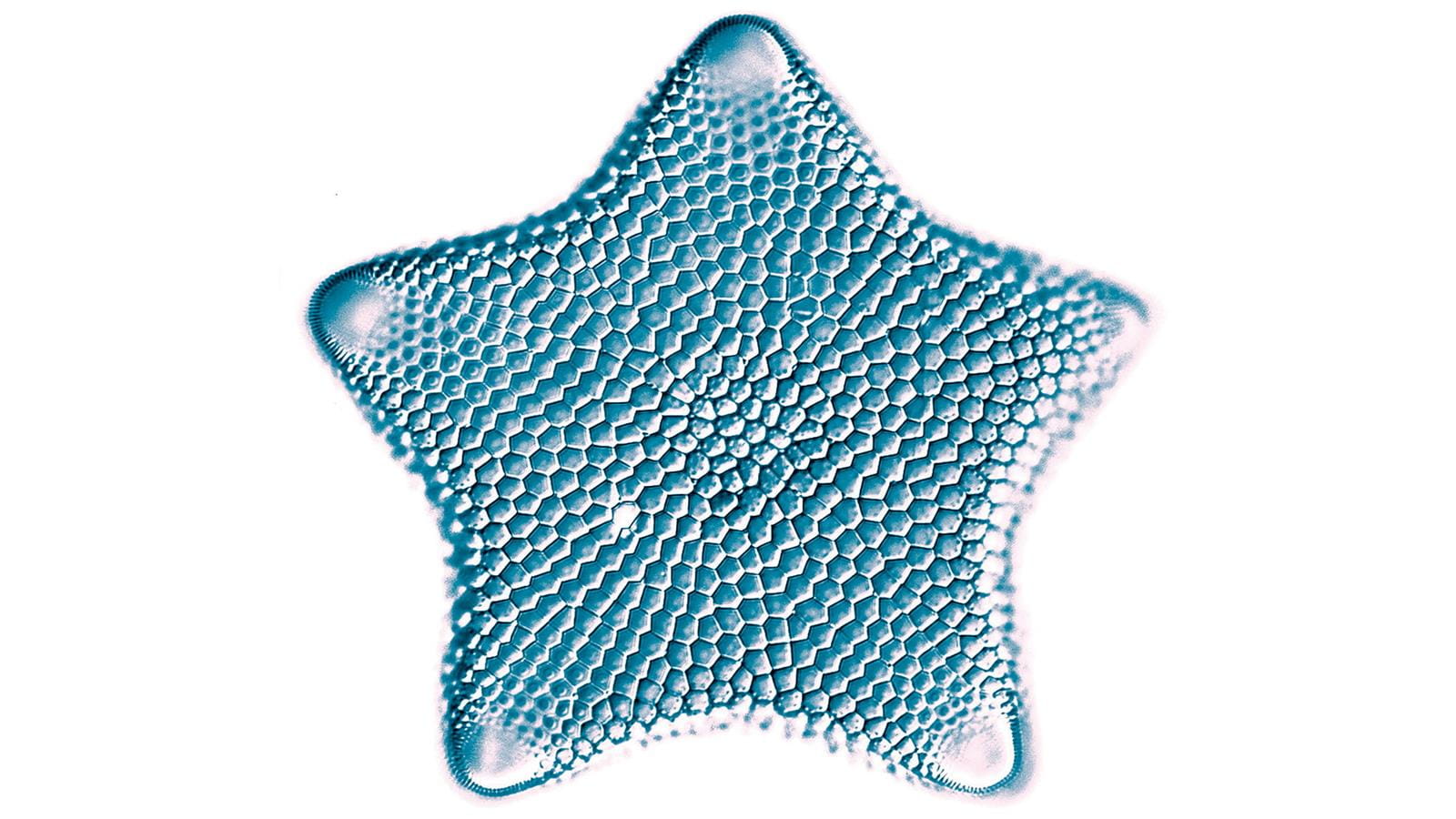
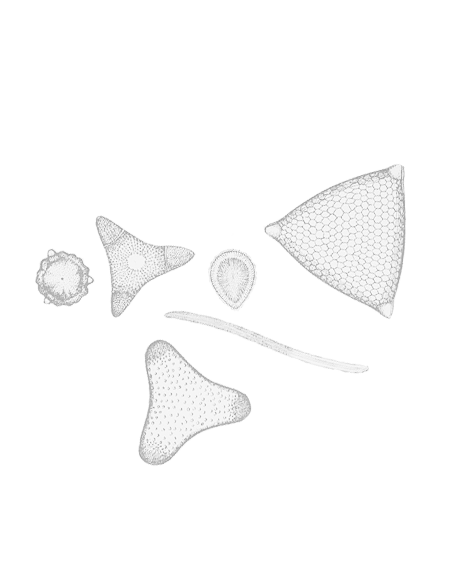
Diatoms are water-dwelling microscopic photosynthetic organisms—algae—with elaborate glass shells.
Marina Potapova/ANS
-
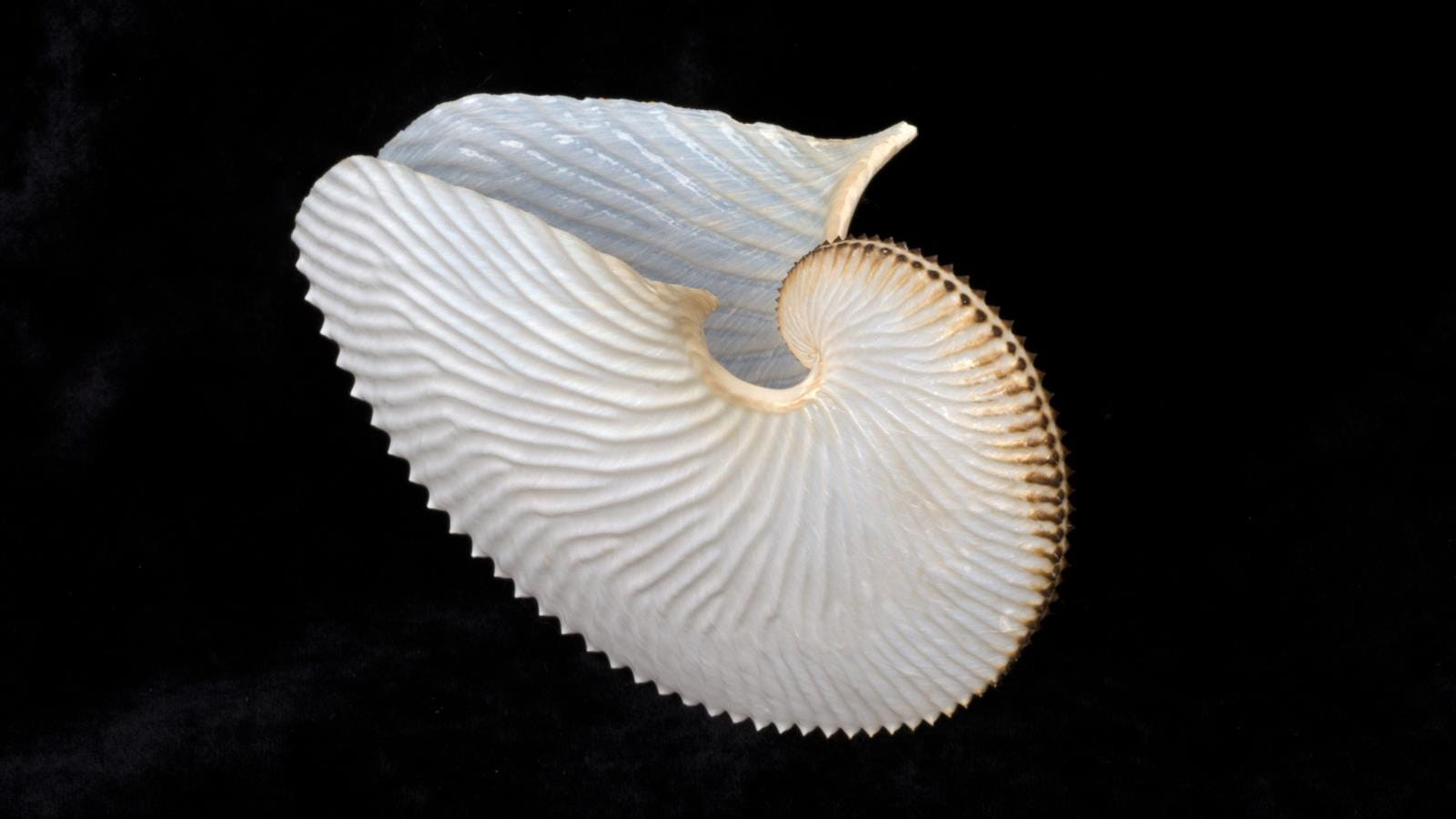
This shell is called the Paper Nautilus, but the animal that makes it is actually an octopus that lives in the open ocean. The shell is only made by females, and its function is to protect the animal’s eggs until they hatch.
Paul Callomon/ANS
-
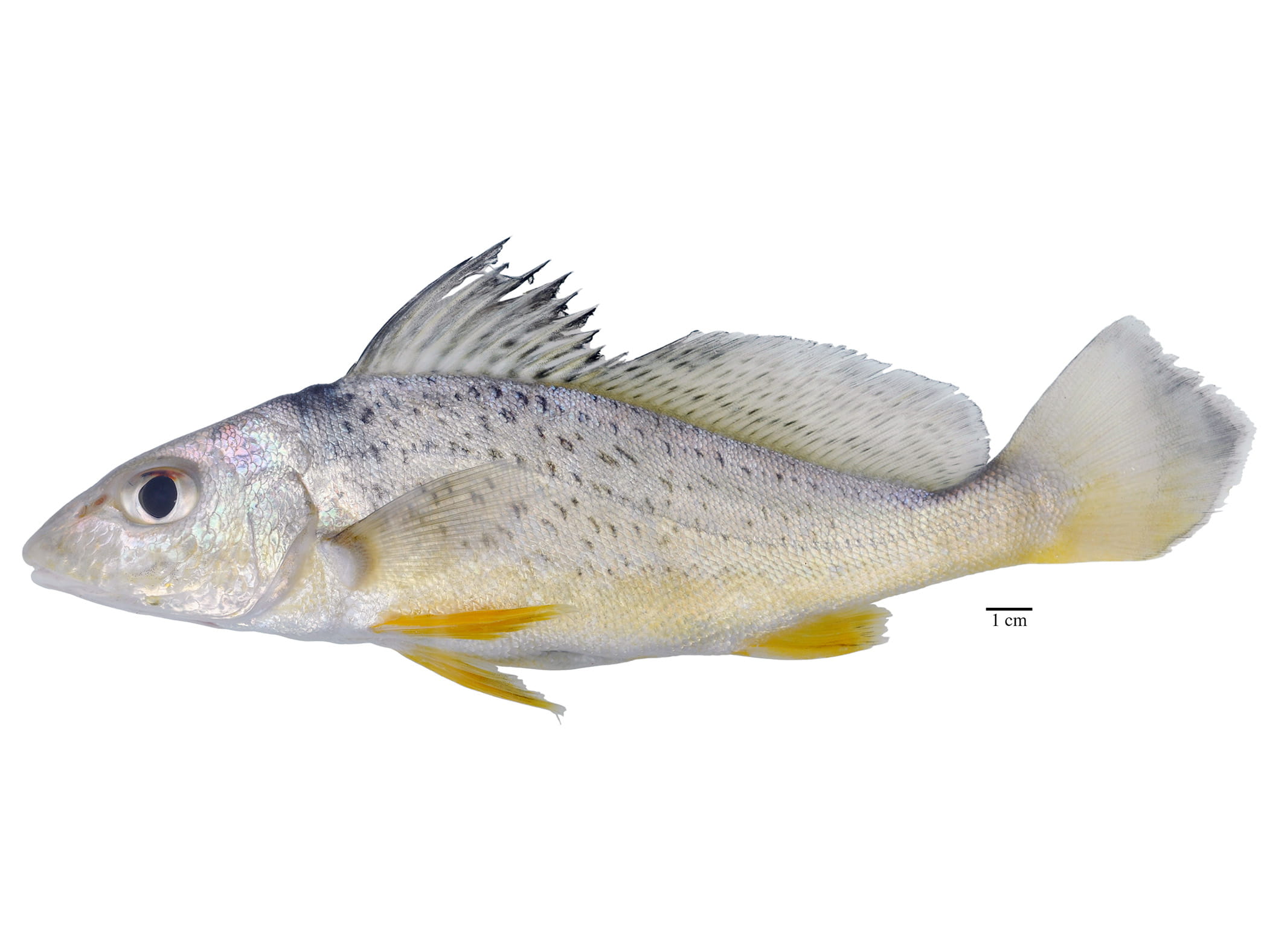
This freshwater, ray-finned fish is found in the Amazon River basin in Brazil.
Mark Sabaj/ANS


Our areas of research
-
Birds
-
Fishes
-
Insects
-
Invertebrate Fossils
-
General Invertebrates
-
Mammals
-
Diatoms
-
Mollusks
-
Plants
-
Reptiles & Amphibians
-
Vertebrate Fossils






Our Collections


Collection Visits, Acquisitions, and Loans
-
The collections are open Monday to Friday by appointment. Visitors are encouraged to visit with the permission of the Curator or Collection Manager. Arrangements must be made in advance using this form. Small grants for travel and living expenses are available on a competitive basis through the Jessup and Bohlke (ichthyology only) awards. For visiting the collections, use the form below to contact the department of interest.
-
The Academy’s collections grow constantly via field work by ANSP staff, donations from individuals and institutions and exchanges with other institutions.
To be accepted for the permanent collection, materials must be of reasonable quality, include adequate documentation, have been collected in full compliance with all laws and regulations of the country of origin and the federal government of the United States. If you are interested in donating any material to a specific collection, contact the collection staff using this form below.
-
All loans to individuals are made through the affiliated Institution of that individual and are considered loans to that Institution. The borrowing Institution has the responsibility for secure custody and proper return of the specimens. Specimens may not be removed from the institution to which they were loaned without prior permission and appropriate paperwork. Loans are made without charge or service fee; it is expected that the borrowing institution will pay the costs of return shipment.
Requests should include: the name(s) of the researcher(s)and their affiliated research institution(s), the nature and scope of the investigation and a list of requested taxa or materials with accession numbers.
Loans are made for a limited period (six to twelve months). Loan extensions may be requested before the expiration of the requested loan period. Use the form below to submit a loan request.
-
If you have any questions about our collections and would like to contact our curators and/or collection managers use this form.
Related Journal Articles


From the Field to the Collections

From the Field to the Collections
Head to the field with entomologist Jon Gelhaus to collect crane flies and then see how they are prepared to be added to the Academy's entomology collection.

Science is the tool that helps us understand how the world operates, it helps us understand how we connect with nature and how we connect with the universe. It provides the knowledge and critical thinking to make informed decisions not only about the environment, but also about everything else.
Mariangeles Arce H.
Executive Director for the Center of Systematic Biology and Evolution