Self-guided Experiences

Credit: Ramon Torres/ANS
Your Self-Guided Field Trip Toolkit
The Academy of Natural Sciences offers field trip experiences that support classroom learning through hands-on science, aligned with curriculum standards across grade levels. Whether your group explores exhibits independently, attends a live auditorium show or engages in guided activities, each option reinforces key concepts in natural science and environmental education. Planning is simple with flexible scheduling, clear group guidelines and knowledgeable staff stationed throughout the museum — ready to answer questions and enhance your students’ learning experience. Discover how each visit can complement your teaching goals while providing a smooth, engaging day for both students and chaperones.

Ramon Torres/ANS
Self-Guided Visits
Take your students on an exciting exploration of the natural world. Our three floors of exhibits, ranging from dinosaurs and dioramas to hands-on interactive stations, are sure to make your field trip to the Academy the highlight of the school year.
Scheduled Museum Activities
Auditorium Shows
The daily auditorium show subjects are determined by Academy Educators based upon the student grade levels scheduled for each date. Here is a sampling of our popular offerings.

-
Dinosaurs continue to inspire awe in people of all ages, but how exactly do we classify an animal as a dinosaur? When and where did they live? How do we know? Join Academy educators as we take you back in time to when these ancient reptiles ruled the Earth. Students will learn all about dinosaurs, how fossils were formed and what makes a dinosaur different from other prehistoric creatures. From digging up fossils in the field, to cleaning the bones, to finally displaying them in Dinosaur Hall, discover what it means to be a paleontologist.
Standards: PA STEELS 3.1.3.E; PA STEELS 3.3.2.A; PA STEELS 3.3.4.A; PA STEELS 3.3.5.C; PA STEELS 3.1.6-8.O; NJSLS/NGSS ESS1.C; NJSLS/NGSS ESS2. B
-
Have you ever wondered what your cat or dog sees when they look at the world? Or how some animals seem able to “see” in the dark? Do You See What I See introduces students to the properties of light waves, as well as infrared cameras, UV lights and other fascinating tools that allow them to better understand the optics of animals. Students will also learn about some innovative methods scientists use to explore light phenomena. Come join us for this all-new live science show as we look at our own vision and how it compares to the wild world of animals.
Standards: PA STEELS 3.1.2.C; PA STEELS 3.1.3.C, F, G; PA STEELS 3.1.4.B, D; PA STEELS 3.1.6-8.D, H; NJSLS/NGSS LS1. A; NJSLS/NGSS LS4. C; NJSLS/NGSS PS4. A;
-
Weather tells us what the sky and air around us are like on any given day. In this engaging live science show, students will learn how scientists can predict the weather by simply understanding patterns. Watch lightning strike, see a cloud form and then marvel as it all turns into a tornado before your eyes! Whether it’s rain, snow, wind, lightning or even a sunny day, learn about the three ingredients that make up all weather on Earth and how weather is actually different than climate.
Standards: PA STEELS 3.3.K.A; PA STEELS 3.3.2.D; PA STEELS 3.3.3.B; PA STEELS 3.3.6-8.J; NJSLS/NGSS PS3. B; NJSLS/NGSS ESS2. D;
Special thanks to our Media Sponsor NBC10/Telemundo!
Image Gallery
-
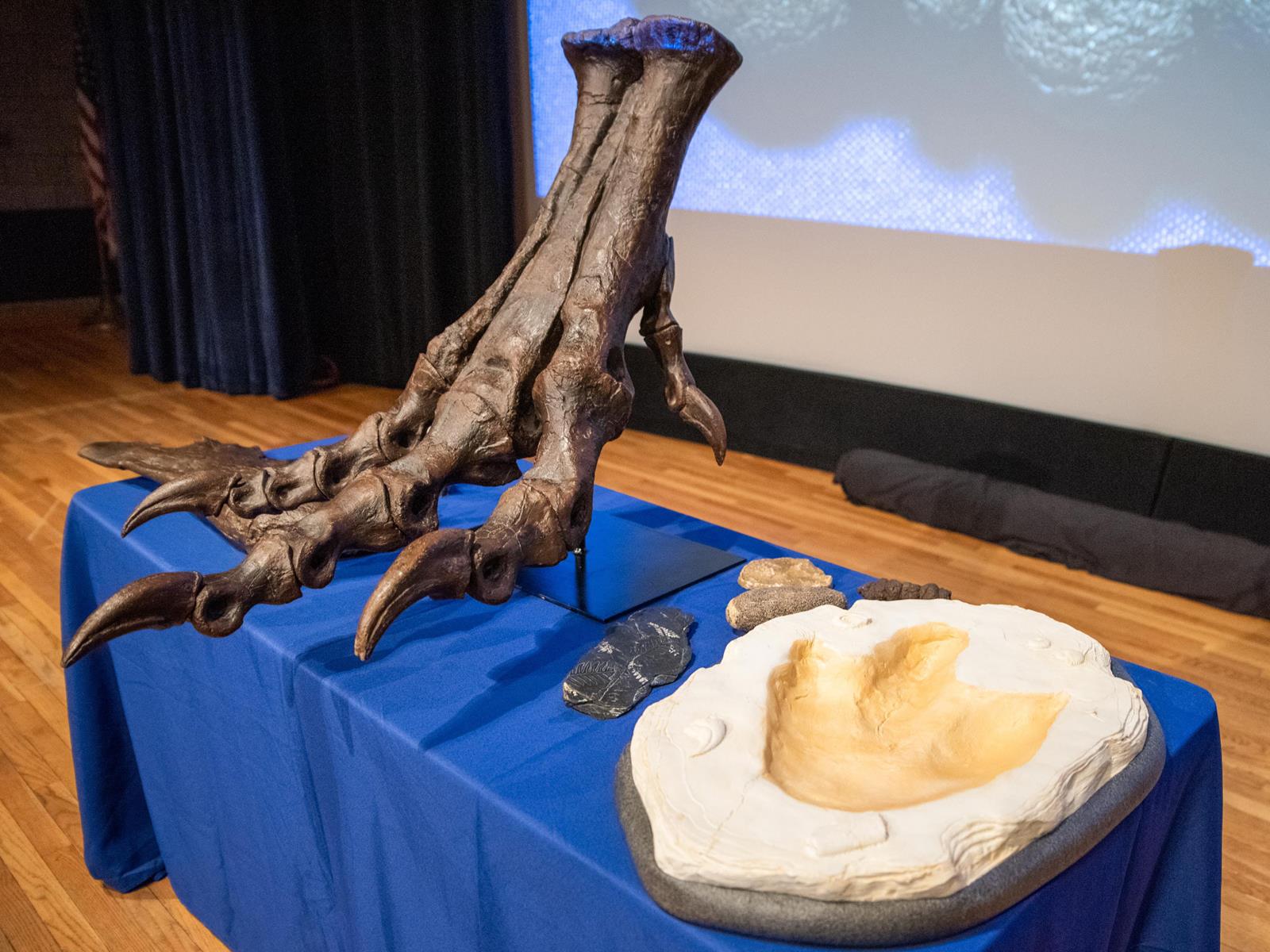
Show: Unearthing the Past
-

Show: Do You See What I See?
-
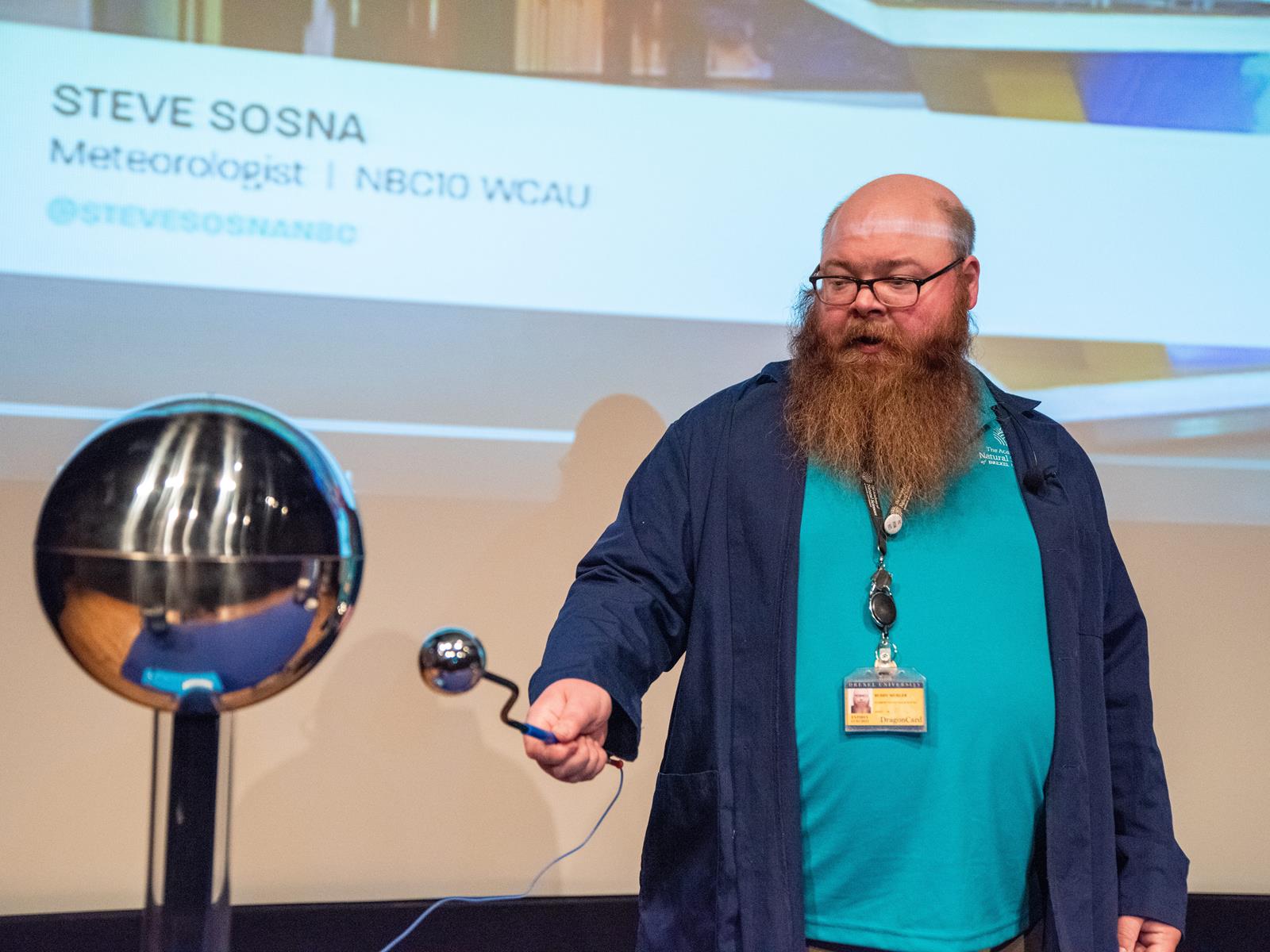
Show: Wonders of Weather


Ramon Torres/ANS
Experience Outside In
(Reservations Required)
Take a hands-on approach to exploring the natural world through guided instruction and discovery-based learning. In Outside In, our children’s discovery center, you can experience the outdoors — inside! A tortoise, rabbit, legless lizard and hissing cockroach are just a few of the live animals that you might meet. Investigate different habitats, search for fossil footprints, dig for shark teeth, watch a working beehive and more!
Pre-K–4th Grade
15 minutes
$2 per student


