We are a force for Nature
Page Section Links
Our Research
The Academy of Natural Sciences was founded in 1812 “for the encouragement and cultivation of the sciences, and the advancement of useful learning.” The mandate to be “useful” has consistently guided the Academy’s work for the past 200 years.
Today, Academy scientists explore the astonishing diversity of life on Earth, by stewarding a collection of more than 19 million specimens — an unparalleled resource for uncovering the history of life and tracking the changes shaping our planet’s biodiversity and ecosystems. Recognized worldwide for expertise in biodiversity and environmental science, the Academy enables a holistic approach to reveal how terrestrial and aquatic systems function, interact and respond to change.
The Center for Systematic Biology and Evolution curates and studies the Academy’s vast collections, advancing research in taxonomy and systematics, ecology, evolutionary biology, and paleontology.
The Patrick Center for Environmental Research, established in 1947, leads the way in understanding, protecting and restoring the health of watersheds — vital lifelines for people and nature.
Fellowships and Endowments are offered by The Academy of Natural Sciences of Drexel University to support scientific research, artistic excellence, and its mission to understand and inspire stewardship of the natural world.
Through rigorous research, stewardship of collections and a commitment to scientific discovery, the Academy continues to advance knowledge of the natural world and to inform solutions for a sustainable future.
Research Gallery
-

-
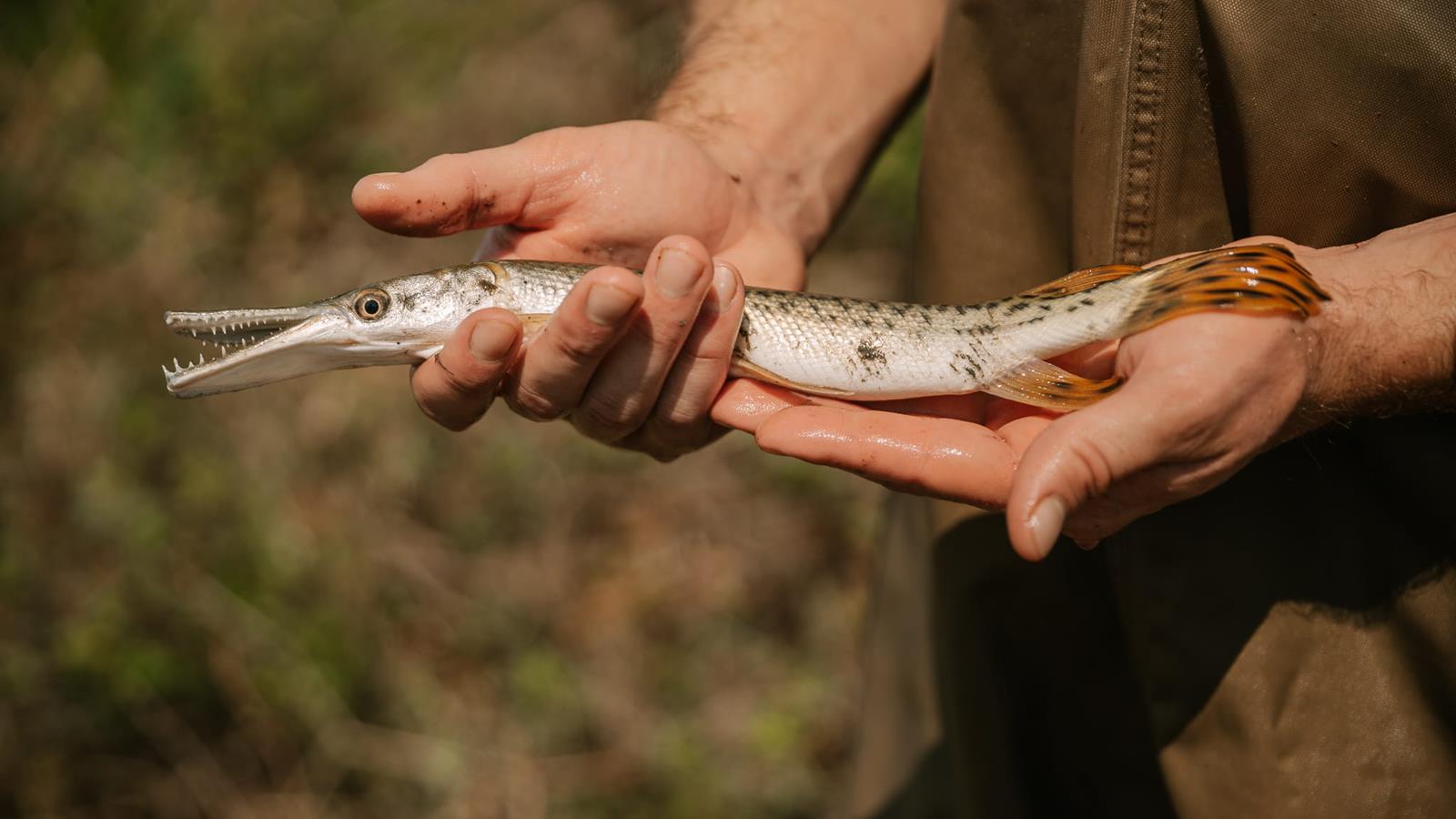
-
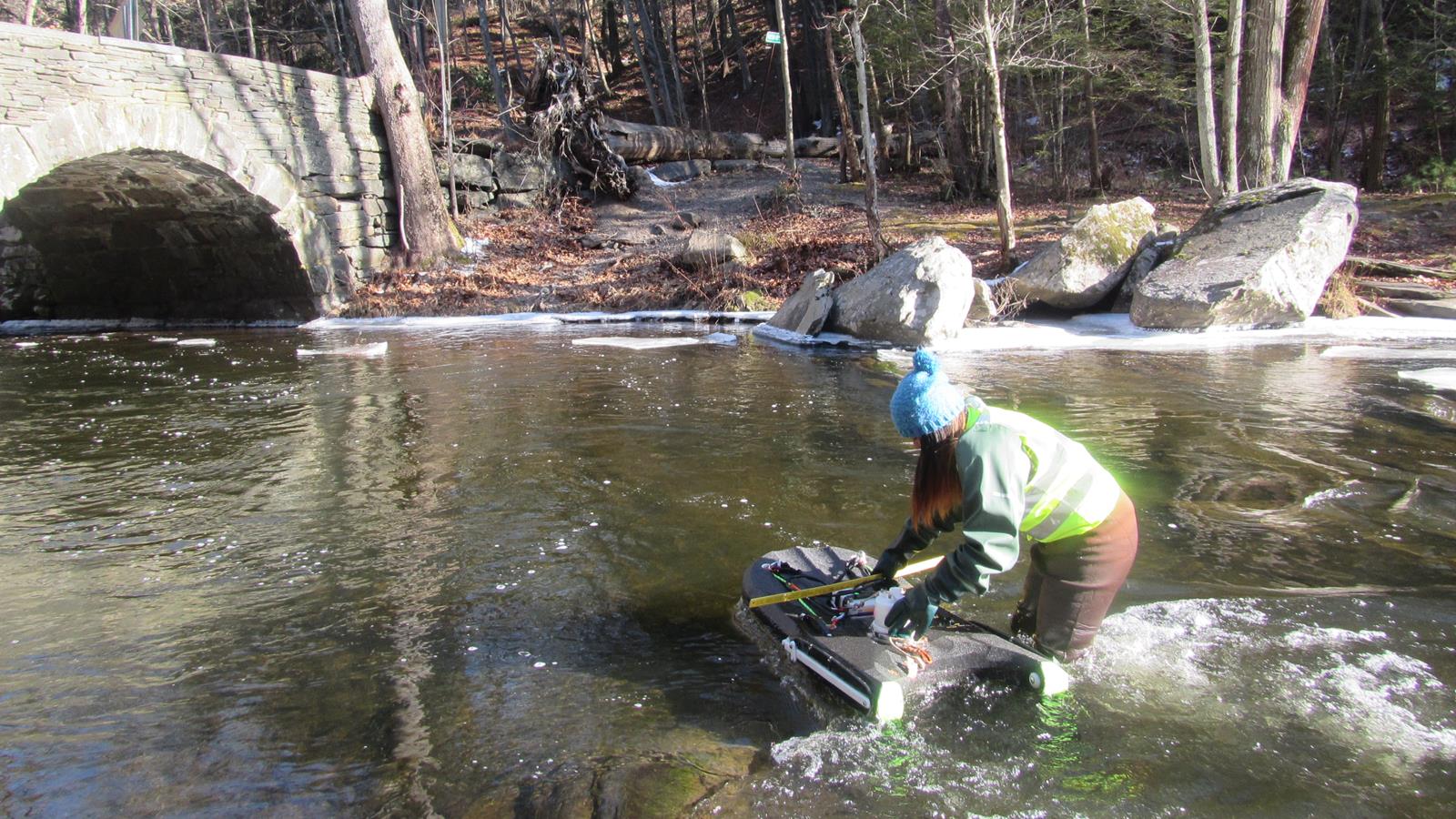
Patrick Center fieldwork
Image Credit
-
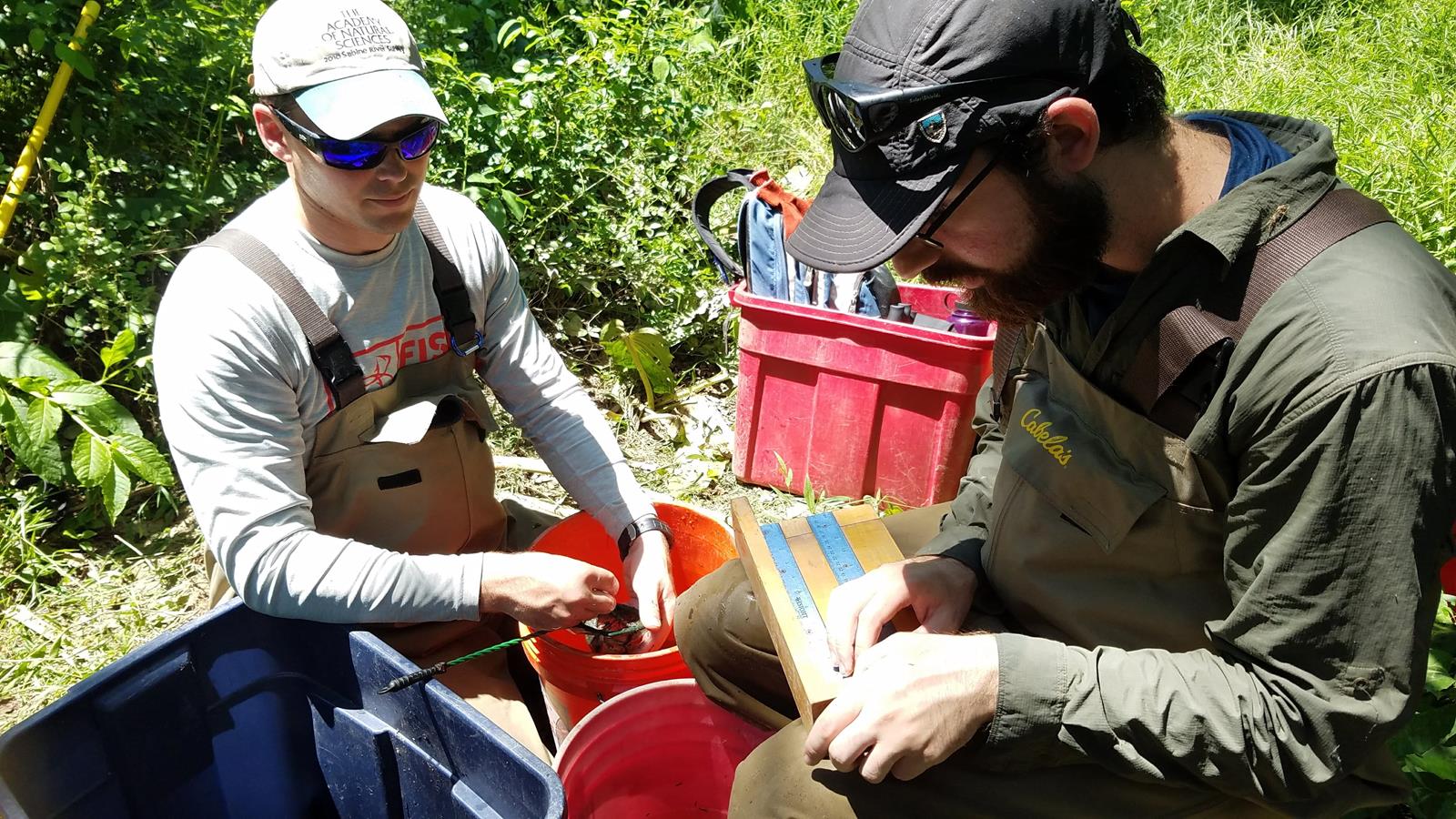
Taking measurements in the field
Image Credit
-
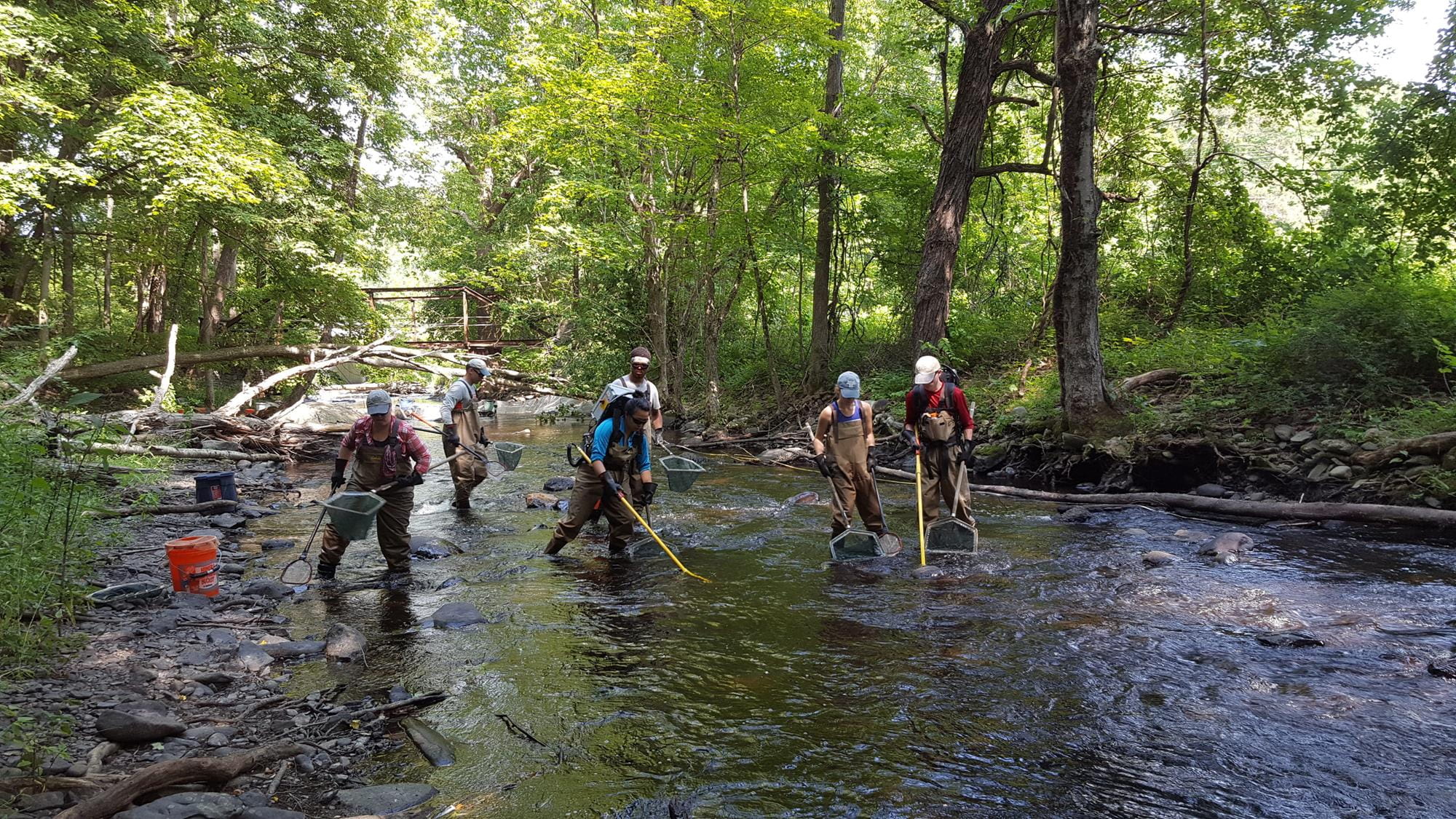
Electrofishing with the Fisheries Team
Image Credit


The Library and Archives
The Academy Library and Archives is internationally recognized for its collections documenting the historical development of the natural and environmental sciences. The Library holdings span five centuries of books and periodicals. The Archives collections span four centuries and include manuscripts, field notebooks, correspondence, films, photographs, art and artifacts. The Library and Archives serves multiple disciplines and constituents and fosters innovative museum programming and exhibitions, cross-disciplinary research and creative work at the intersection between art and science.


