The Ichthyology Collection

The Ichthyology Department is home to one of the most important collections of preserved fishes in the Americas, with an estimated 1.6 million specimens representing more than 15,000 species from waters throughout the world. The collection’s strengths span both taxonomy (how fishes are classified) and geography (where they come from). For example, the collection has a rich diversity of catfishes (Order Siluriformes), minnows (Cypriniformes) and eels (Anguilliformes) from around the world. Geographically, its strengths include freshwater species of North and South America and marine species of the Western Atlantic and Indian Oceans.
Another measure of collection importance is the number of type specimens, those deliberately used to scientifically name new species and subspecies. Primary types represent the scientific name and secondary types are copies or duplicate specimens that are often shared with other museums. The Academy has one of the largest collections of fish types in the world, with 2,827 primary and 21,620 secondary type specimens representing 1,897 and 2,127 species and subspecies, respectively. Specimens aside, departmental staff have assembled and curate a diverse collection of 20,000 frozen tissue samples of thousands of fish species primarily from the U.S. and South America.
Ichthyology Specimen Gallery
-
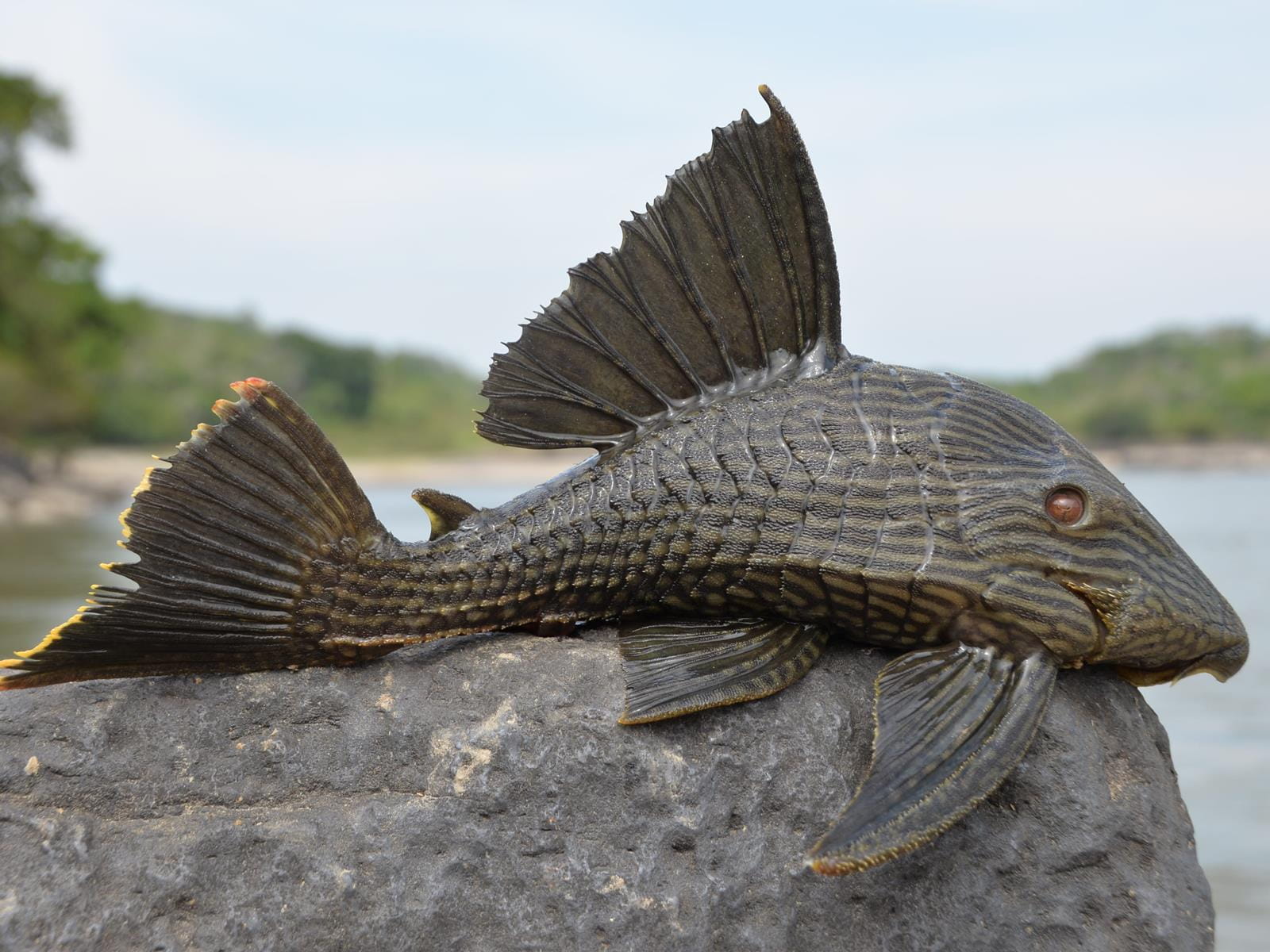
A Royal Pleco (Panaque nigrolineatus)
-
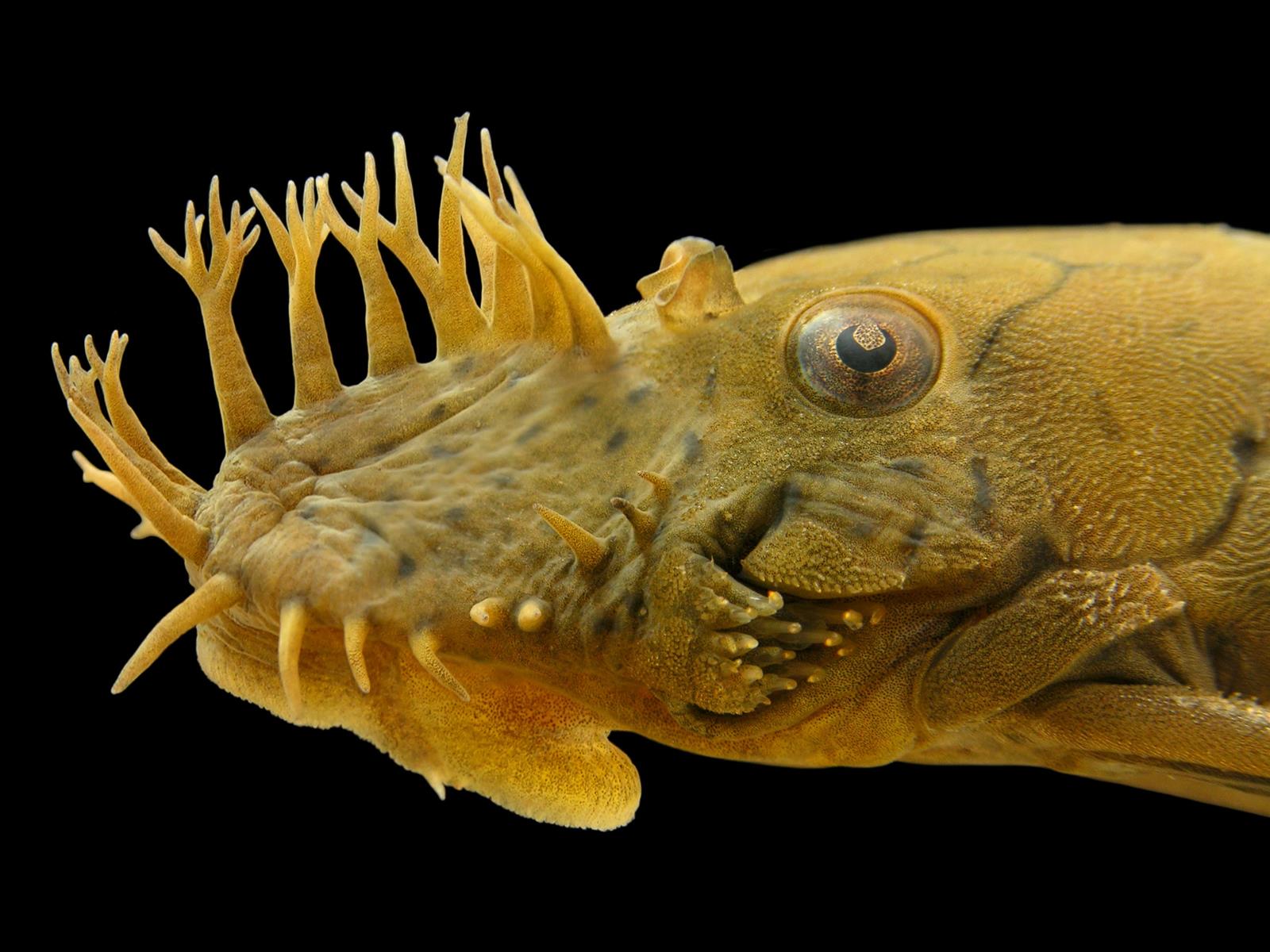
bristlenose pleco (Ancistrus sp.)
-


History
The Academy’s Ichthyology Department formally began in 1902 when Henry Weed Fowler (1878–1965) became the first full-time curator of fishes. Born in Holmesburg, now a part of northeastern Philadelphia, Fowler first visited the museum as a schoolboy in 1892 and later became a Jessup student in 1894. He organized the collections assembled by Edward Drinker Cope (1840–1897) and other naturalists associated with the early history of the Academy.
During a career that spanned seven decades, Fowler published 1,929 new fish names at the generic, subgeneric, species and subspecies levels. In 1935, he named a new species of scorpionfish Neomerinthe hemingwayi “for Ernest Hemingway, author and angler of great game fishes, in appreciation of his assistance in my work on Gulf Stream fishes.” For reasons that largely concern only taxonomists, only about 37% of the names that Fowler proposed remain in current use. Fellow ichthyologists have honored him in the naming of 36 species of fishes such as Sebastapistes fowleri (scorpionfish from Hawaii), Corydoras fowleri (catfish from Peru) and Panturichthys fowleri (eel from Israel).
Fowler was succeeded by James Erwin Böhkle (1930–1982) who became curator in 1954. For the next 14 years, Böhkle collaborated with Academy benefactor Charles Chaplin to survey the marine fishes of the Bahamas. This work culminated in their co-authorship of Fishes of the Bahamas and Adjacent Tropical Waters published in 1968. This book remains a primary reference and widely used source of information on the reef fishes of the Western Atlantic.
Subsequent Curators included James Tyler (1962–1972), William Smith-Vaniz (1976–1991), Barry Chernoff (1983–1987), Scott Schaefer (1988–1996), Dominique Didier (1993–2004) and John Lundberg (2000–2013). In 1972, William Saul became the first full-time Collection Manager of Fishes, a post he held with distinction until 1999.
The Department is currently staffed by Collection Managers, Mark Sabaj and Kyle Luckenbill. At various times they are joined by Curator Emeritus John Lundberg. Luckenbill is skilled at manipulating datasets generated by X-ray Computed Tomography (CT scans) to study the fine details of fish skeletons. Sabaj is the world's expert on the Neotropical catfish family Doradidae and John Lundberg is considered by many to be the world authority on all catfishes both living and fossil.
Ichthyology Resources
Ichthyology Resources & Databases
Professional researchers and students are welcome to visit the department to study fishes, and we will provide access to the collections, labs and library. Staff also fulfill requests for loans of specimens and tissues, photographs of specimens and information on holdings.
Search the Academy’s Fish Collection using the following online portals:
For the most up-to-date records, contact Mark Sabaj or Kyle Luckenbill


Mark Sabaj
Collections Manager of Fishes
Kyle Luckenbill
Collections Manager