Seashells Book Features Academy Collections and Expertise
Journal

Credit: Courtesy of Paul Callomon
Written on: July 9, 2026
The mollusk world is beautiful, diverse and seemingly endless. This makes for a colorful buffet of shells for collectors and an exciting challenge for those who work to catalogue them.
Two Academy scientists, Paul Callomon and Gary Rosenberg, have worked for decades to create a compendium of more than 5,000 shells in their upcoming book Seashells: A Compendium of Five Thousand of the World's Species, available through Princeton University Press starting September 22.
Paul, the Academy’s Malacology Collection Manager, answered a few questions about mollusks, shells and the daunting process of creating such an extensive book about them.
How did you become interested in the field of malacology?
I was a shell collector, probably starting around age 6 or 7. I had no talent for science – I found (and still do) math to be particularly difficult – but loved art and language. It turns out that for a great deal of descriptive science (as opposed to experimental or technoscience), those abilities are more useful than math.
Tell us about your career path and where the study of malacology has taken you.
I majored in art and languages (French and German) in high school, then went to art school and studied design. Things inclined towards mollusks more seriously when I went to live in Japan and became involved in the collecting community there. Through that, I met someone who needed a lot of photography and English editing for a book he was creating with another non-native speaker, and that led to my co-authoring and photographing three books on mollusks that were published between 1996 and 2001. Research for those books took me around the world, and I was able to meet many of the leading figures in malacology. Through those connections, I then came to the Academy to manage its vast shell collection.
How long did it take to research and write Seashells with your collaborators?
The work was on and off for a dismayingly long time – 23 years in all. Many folks have a pet project that they vow to “finish one of these days,” but we actually did.
Can you share a bit about the process of creating and collaborating on such an extensive compendium of shells?
At first we worked with a private collection in Philadelphia owned by a mutual friend who had been involved with the shell collecting community for close to 50 years. I visited his home over many weekends, where he and a team of friends would bring shells out for me to photograph and keep records for me to use later when I worked up the images on a computer in my basement at home. We finished up working at the Academy to add some rare and obscure species that are not found in private collections. Throughout the process, Gary was assessing what species we needed to include, as they are common and important, and how we balance those with rare things you can’t see in any other book. We both worked on confirming the identity of every shell figured and determining its geographical distribution. The last two took far longer than the photography and image management. We also built a bibliography of about 850 entries and cited at least one published work for every family in the book.
Who would enjoy Seashells?
Anyone who sees it. Shells speak for themselves; they don’t need explanation or interpretation. Seeing so many of them arranged so precisely to show off their elegance and beauty is not an experience that's easy to advertise, but it can be a profound one nevertheless.
What can we learn about mollusks from their shells?
Thought and intelligence as we conceive them are overrated. No algorithm or designer could have found so many variations on such basic themes of protection and concealment, yet evolution achieved it with no greater intention than simple survival. Of course, it took 500 million years to get here.
Do you have any favorite specimens in the book?
Many.
Do you have any favorite specimens in the Academy’s collection?
Many.
What makes the Academy of Natural Sciences’ malacology collection special?
It is vast, deep and irreplaceable. It holds, among other things, more than 16,000 “type specimens,” the shells selected and used by authors to describe new species; large sets of species that are now extinct, most having vanished in my lifetime; shells recovered from thousands of meters below and above sea level, from boiling springs and alpine glaciers, and from within the bodies of other animals; and the power, at any time, to convert a child into a collector and thus, one day, my successor.
Image Gallery
-
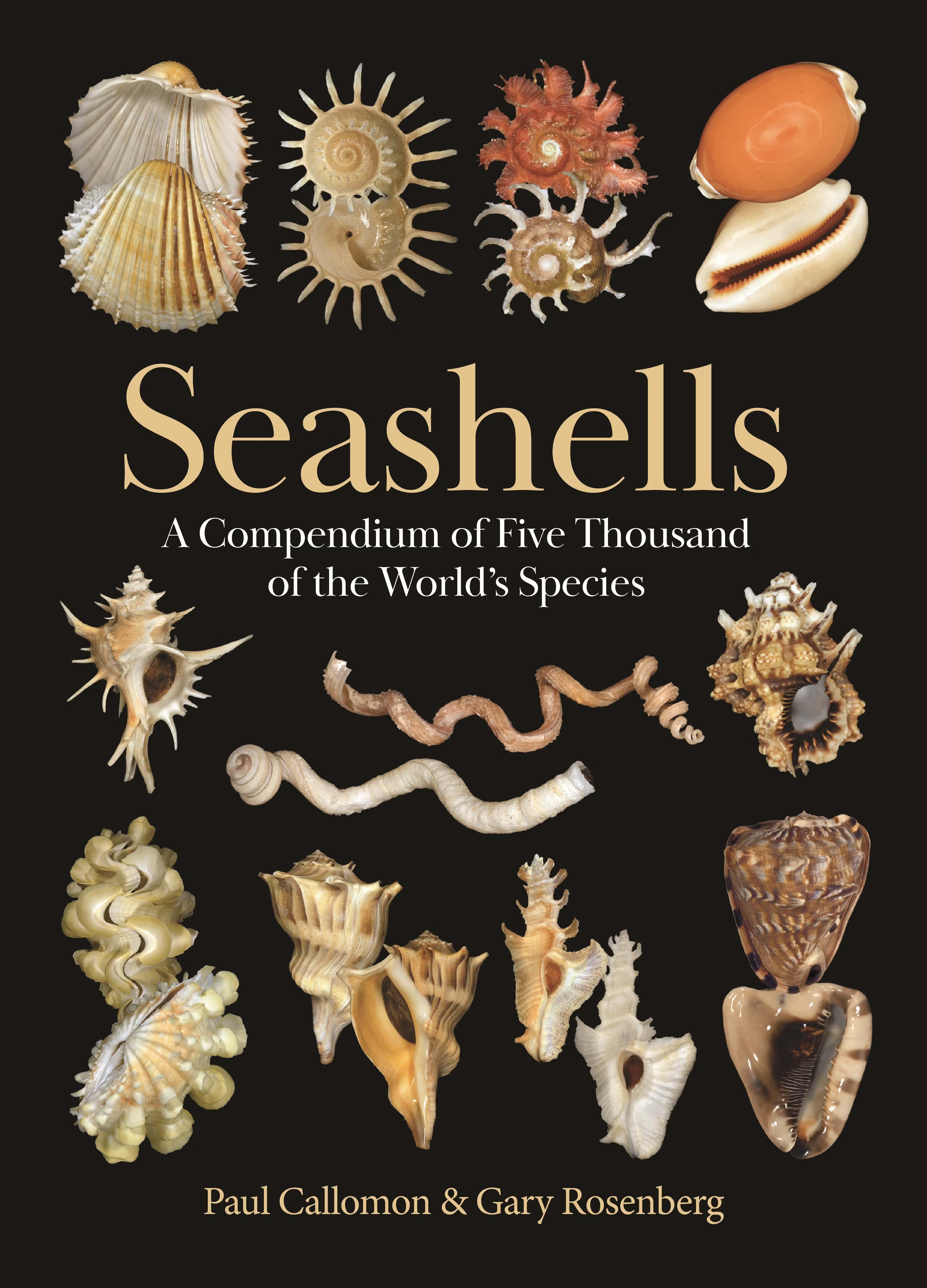
Courtesy of Paul Callomon
-
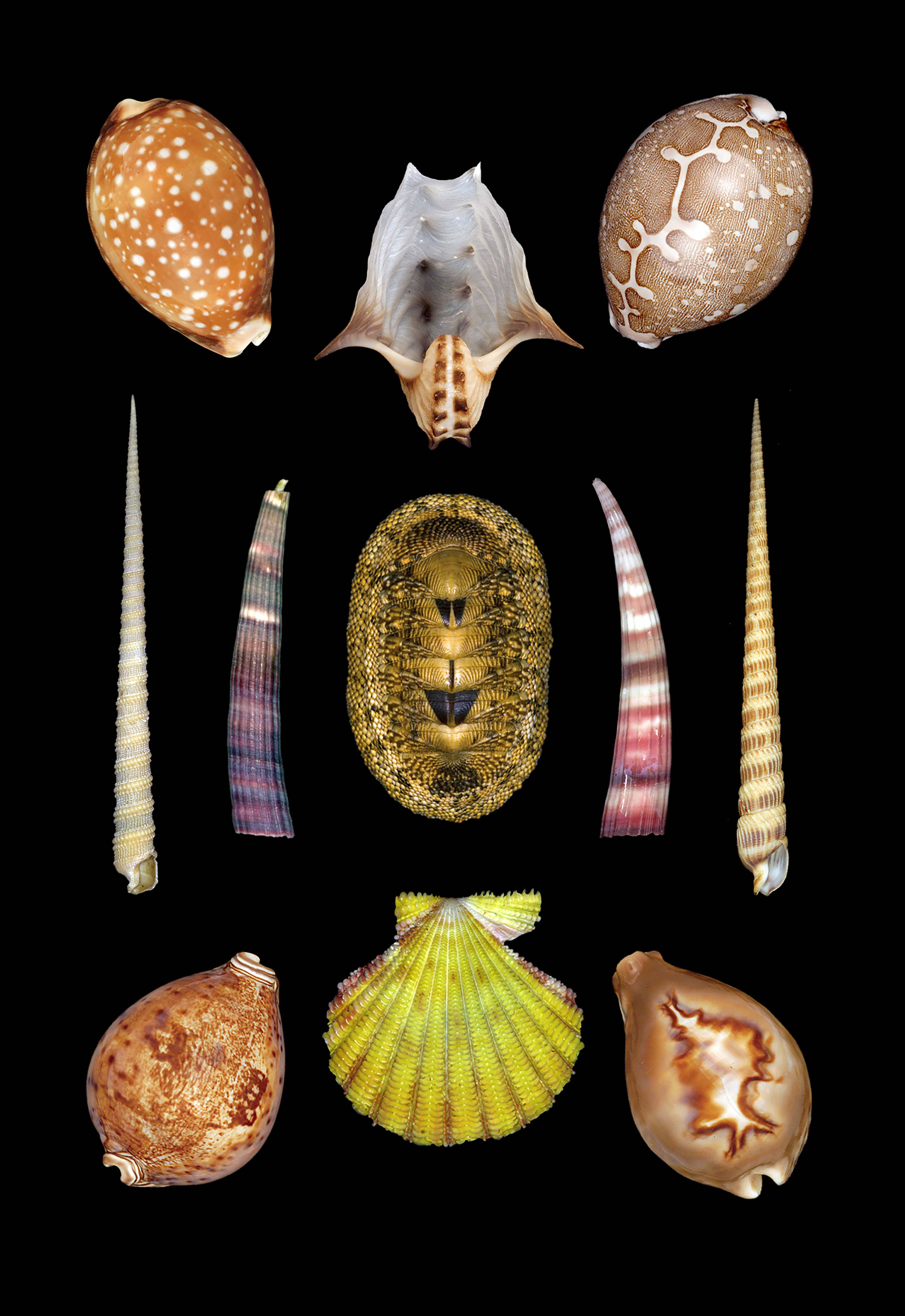
Courtesy of Paul Callomon
-
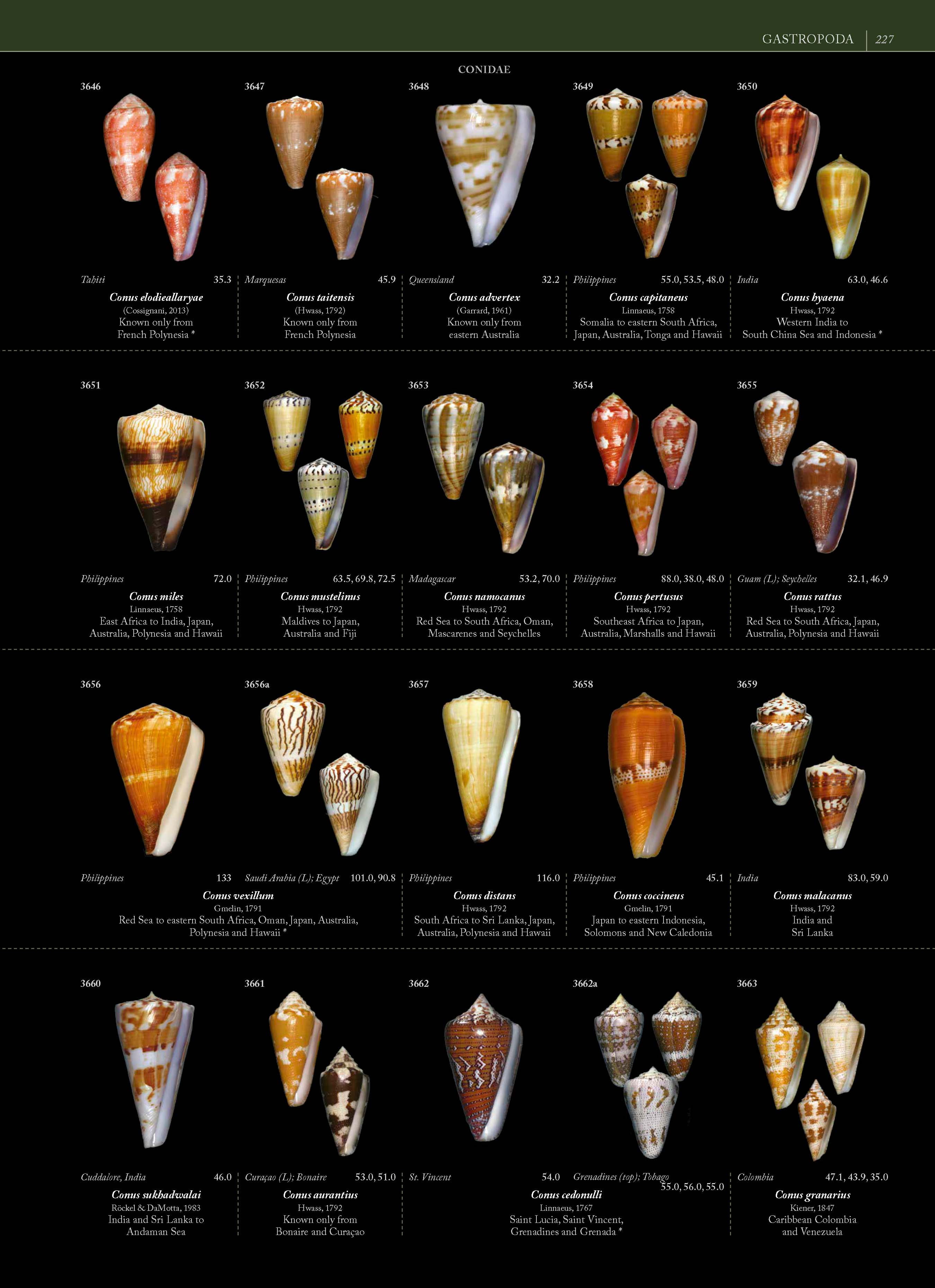
Courtesy of Paul Callomon


