Reduce Home Energy Use
Journal
Written on: October 4, 2021
When seasons change, so do indoor temperatures. Whether we’re turning down the AC to cool off, or turning up the heat to get cozy, we use a lot of energy. According to the U.S. Energy Information Administration, more than 76 million American households (64%) used a central air-conditioning system to cool or heat their spaces, a jump from less than 66 million households (59%) in 2005. With increasingly irregular climate conditions, as well as current global issues with obtaining necessary energy resources, these numbers — and the costs — are only rising.
Whether your motivation is to save money or to decrease your carbon footprint, making small adjustments to your daily energy consumption can have a positive effect on the environment and help reduce the amount of overall energy consumed by your community.
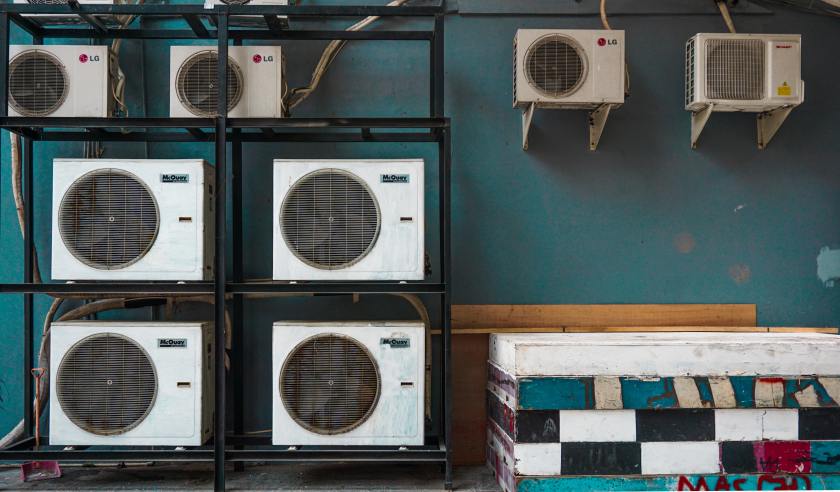
Help reduce the amount of overall energy consumed by your community with small adjustments.<br>Credit: Dewi Karuniasih/Unsplash
Energy Consumption On the Rise
The U.S. is home to less than 5% of the world’s population but consumes 17% of the world’s energy, according to the University of Michigan Center for Sustainable Systems. In comparison, the European Union has 7% of the world’s population and uses 12% of its energy, while China has 18.5% of the world’s population and uses 24% of its energy.
If projections are correct, U.S. energy consumption is expected to rise by over 7% in the next 20 years, according to the National Academies of Sciences, Engineering, and Medicine. Global energy consumption is also expected to rise 40%, which means our collective demands on the resources and supplies that create the enegy — as well as their prices — will also increase.
There’s a direct connection between energy use and the environment. When we consume less power, we reduce the amount of released toxic fumes in the air, conserve the earth’s natural resources and help protect ecosystems from destruction. Perhaps the most notable way reducing energy helps the environment is by decreasing harmful byproducts, such as carbon dioxide, from being released by the power plants that produce our electricity. By simply cutting back on energy consumption, we can reduce the amount of electricity that power plants must make and the fumes they release.
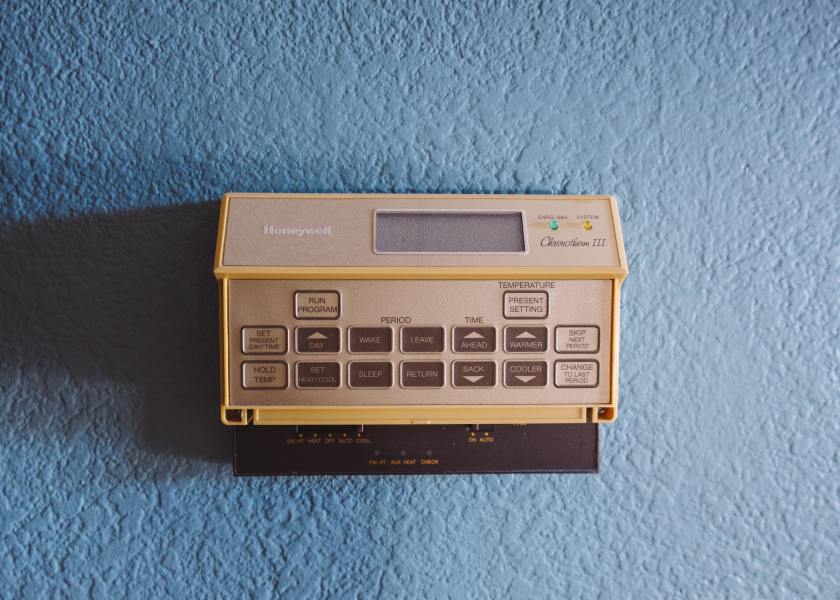
Households can save as much as 15% a year on heating and cooling bills by simply turning the thermostat back. <br>Credit: Wesley Tingey/Unsplash
Household Energy Reduction
Reducing energy use is easier than you may think. Living in smaller houses closer to work and using public transportation are lifestyle choices that can help. But households can save as much as 15% a year on heating and cooling bills by simply turning the thermostat back 10–15 degrees for eight hours a day (such as overnight) and switching off those lights, according to the U.S. Department of Energy. Be sure to take advantage of of your smart thermostat and have it set to change temperatures accordingly for you.
Powering down all your machines in the house every night will also reduce energy use in the house. Even easier, reduce your output automatically by setting all your smart devices, including computers and tv screens, to simply sleep after one hour of unuse! Laptop, computers and their monitors can use up a lot of energy, especially when they are plugged into the wall, charging or turned on for long periods. In the U.S., the total electricity consumed by idling electronics, including plugged-in ipads, phones, televisions and microwaves, equals the yearly output of a dozen power plants, according the EPA. Be sure to unplug those devices and screens when they’re not needed, or set them to sleep when you step away.
Although your own energy-saving adjustments may seem inconsequential, small steps become great leaps when multiplied by millions of others just like you.
Tips on Reducing Energy Use
- Invest in a smart thermostat to help with efficiency.
- Keep your blinds and shades open during the daytime, and closed at night, in the winter to warm the house.
- Seal gaps in windows, doors and air ducts from drafts.
- Switch to energy-efficient LED lighting.
- Ditch the dryer and hang-dry clothing and towels.
- Unplug infrequently used electronics, monitors and machines.
- Set your computers and tv screens to sleep after unuse!
- Keep your refrigerator well-stocked so it uses less energy to keep contents cold.
- Lower your water heater temperature to 120 degrees.
- Keep areas around vents clear of furniture, toys and clutter.
- Replace air filters and schedule regular HVAC tune-ups.
- Make sure your next new appliance is ENERGY STAR® certified.
Energy-saving tips for cold weather:
- Lower your thermostat four degrees when you’re not at home and when you’re sleeping.
- Set your ceiling fan to rotate clockwise and use it to recirculate heat that has risen.
- Keep south-facing blinds and curtains open during the day.
- Make sure your attic has enough insulation, including around the access door.
- Opt for extra layers or get cozy under a warm blanket.
Try switching up some of your habits with many of these easy tips from Green Mountain Energy and check out our Small Actions Spark Big Changes webpage for more resources on how to conserve energy.


