It’s Plastic Free July
Journal
Written on: July 1, 2020
It’s Plastic Free July, and millions of people around the world are starting the monthlong challenge to reduce their use of plastics. Plastic Free July is a global movement begun in 2011 in Australia. It’s grown to be one of the most influential environmental campaigns in the world, and this month 250 million people in 177 countries are expected to participate.
There’s no denying, the statistics are staggering. One million plastic beverage bottles are purchased every minute around the world. One billion toothbrushes will be trashed this year. Three trillion cigarette butts — their filters made of plastic—are carelessly tossed each year. Millions of rolls of plastic food wrap, typically used only once, are discarded by U.S. households each year.
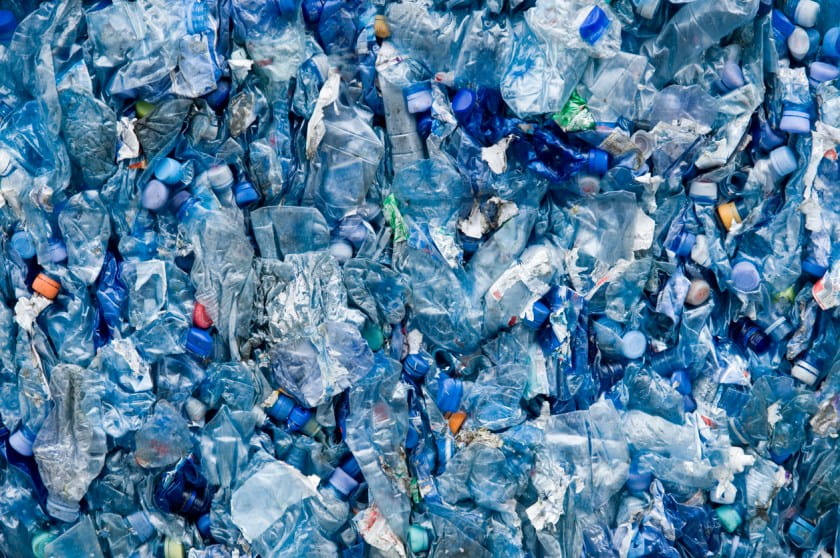
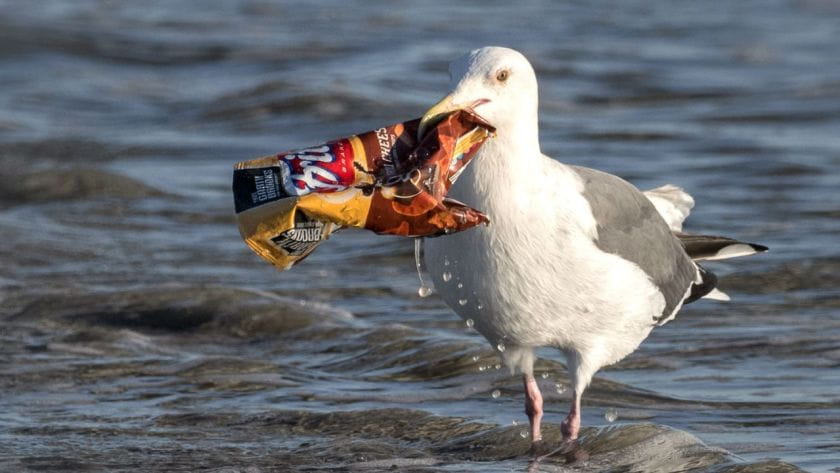
We’re drowning in plastic, 18 billion pounds of it that ends up in the ocean each year. Scientists have found plastic waste in the stomachs of sea creatures, from tiny to humongous, and in birds that ingest airborne microplastics in remote corners of the Arctic. The disposal of surgical masks, gloves, protective equipment and even body bags due to COVID-19 adds on another layer.
We created plastic 150 years ago; we love it and depend on it. But plastic waste has become a global plague, one that industries and nations need to solve on a planetary scale. Individual acts alone can’t fix global ills, but the Academy believes small actions on a global scale CAN make a difference and that allows more energy to go into the search for solutions.
Consider taking the Plastic Free July challenge today. To get started, pick a couple tips that fit your lifestyle from the list below. Then share your tips on social and in the comments section at the end.
40 Ways to reduce plastic use
- Buy in bulk. Bring your reusable containers to stores that sell in bulk and load up on spices, beans, rice, etc.
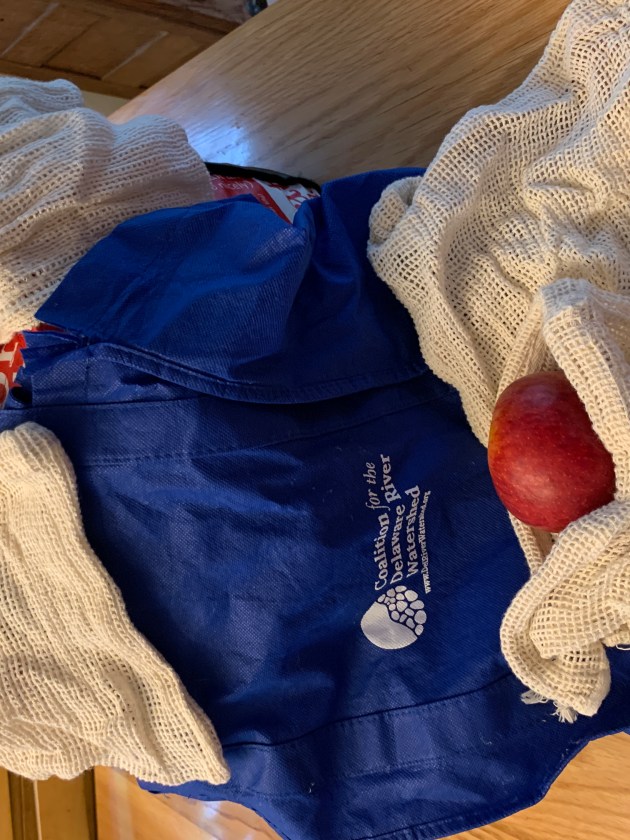
- Bring your own clean reusable cloth, paper and used plastic bags where permitted to the store to bag produce.
- Bring a backpack and tote bags to the market to cart your stuff home.
- If you forgot your cloth bags, ask the supermarket checkout for paper bags instead of plastic bags.
- Use powered laundry and dish detergent that comes in cardboard boxes instead of plastic bottles.
- Cut back on gum or give it up. Gum is made of a synthetic rubber, aka plastic.
- Use matches instead of disposable plastic lighters or invest in a refillable metal lighter.
- Ditch plastic straws. If a straw is a must, buy a reusable stainless steel or glass straw.
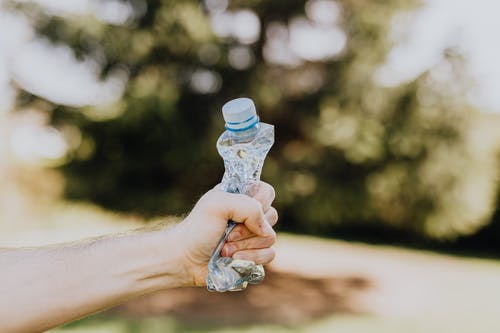
- Use a reusable bottle or mug for your beverages, even when ordering to-go.
- Reuse existing plastic containers at home for storing food and household items.
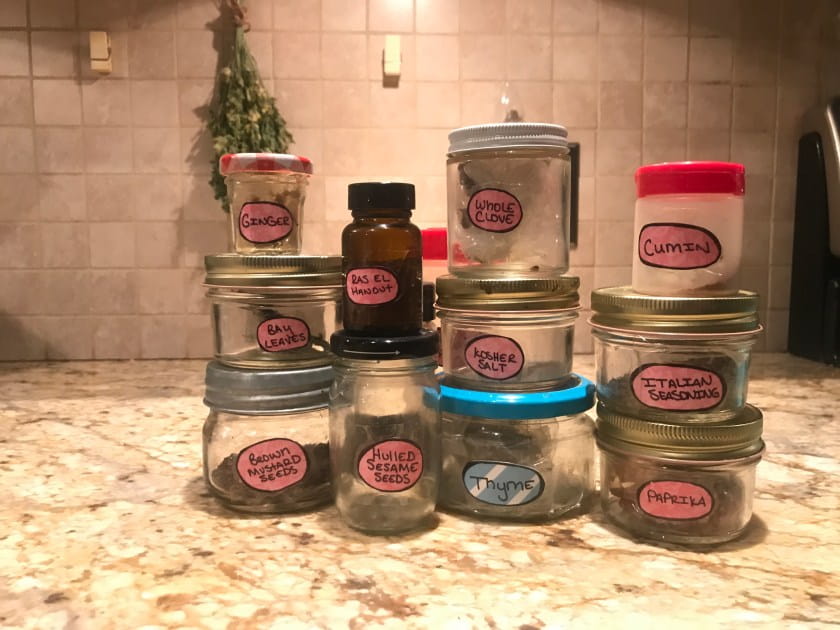
- Bring your own container for take-out or your restaurant doggy-bag.
- Avoid buying frozen foods because their packaging is mostly plastic.
- Choose bread that comes in paper bags.
- Buy bar soap instead of liquid soap.
- Buy bar shampoo instead of liquid shampoo.
- Use baking soda as deodorant.
- Use baking soda as toothpaste.
- Try a compostable bamboo toothbrush.
- Try Brush with Bite, a plastic-free all-natural toothpaste that comes in a small glass jar as pellets. You bite one, then brush.
- Bring your kitchen utensils to work instead of using plastic ones.
- When ordering take-out tell them to hold the plastic cutlery.
- When ordering take-out, tell them to hold the condiments that come in little plastic bags if you already have them at home or don’t use them.
- Use glass containers instead of plastic resealable bags.
- Make fresh-squeezed juice or eat fruit instead of buying juice in plastic bottles.
- Try frozen concentrate juice because it’s almost entirely cardboard and metal.
- Make your own cleaning products that will be less toxic and eliminate the need for multiple plastic bottles of cleaner. For a “recipe” for laundry detergent, click here.
- Pack your lunch in reusable containers and bags.
- Opt for fresh fruits and veggies and bulk items instead of products that come in single serving cups.
- Use a safety razor with replaceable blades instead of a disposable razor.
- Use a washcloth instead of a plastic loofah.
- Use silicone sandwich bags instead of plastic bags.
- Use washable crocheted scrubbing sponges.
- Store food in glass containers instead of plastic.
- Use paper pots for seed starting instead of plastic cells.
- Replace plastic trash bag liners with a biodegradable and composteable option.
- Don’t use plastic straws. If you need a straw, buy a reusable metal straw.
- When you do end up with plastic baggies, wash them and reuse them many times.
- Buy pasta sauce in large glass bottles and reuse those jars for storing leftovers.
- Try making from scratch, foods that are packaged in plastic, such as tortillas, bread, salsa, yogurt and sour cream.
- Use biodegradable bags to clean up after your dog.
Good luck!
By Carolyn Belardo, Director of Public Relations
We need your support now more than ever. If you believe that science matters, please consider a donation to support the Academy’s efforts to ensure a healthy, sustainable and equitable planet.

Give Now: button


