Commentary on UN Climate Report
Journal
Written on: October 17, 2018
The United Nations Intergovernmental Panel on Climate Change recently issued a new report outlining what would happen if average global temperatures rose higher than 1.5 degrees C above pre-industrial levels, an aspirational goal of the 2015 Paris Climate Accord.
It now appears highly likely that the 1.5-degree limit will be exceeded much sooner than previously expected, possibly as soon as 2025. If this occurs, temperatures will continue to increase and many of us alive today will live to see our lives seriously affected by climate change.
It is hard to overstate how cautious scientists are when they discuss their specialties with non-scientists, especially in the climate change arena. Most scientists believe society is best served by avoiding pointed stands in public debate and will obsessively avoid any hint that their research conclusions could be viewed as “political.”
Given this, the strongest indication of the severity of this problem may be that many scientists and scientific institutions, including the Academy of Natural Sciences, are now speaking frankly and without equivocation on the dangers we face. So how can the general public make sense of all this and can we do anything about it?
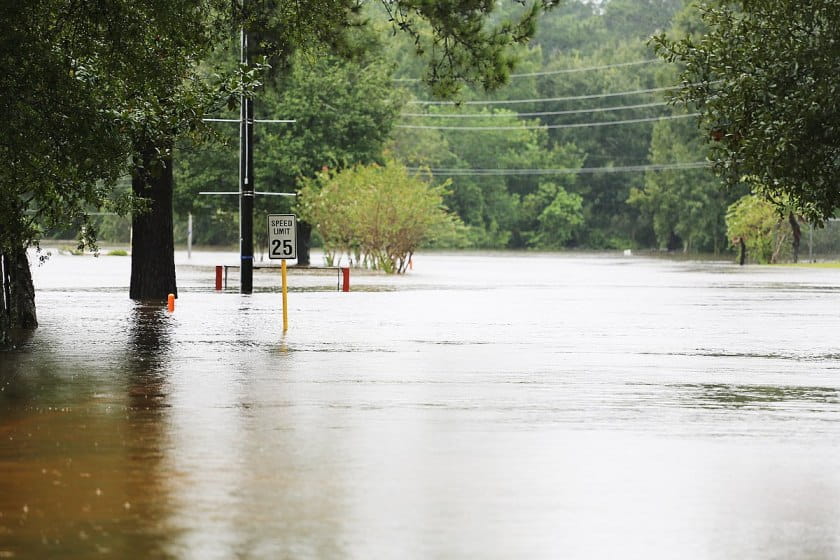
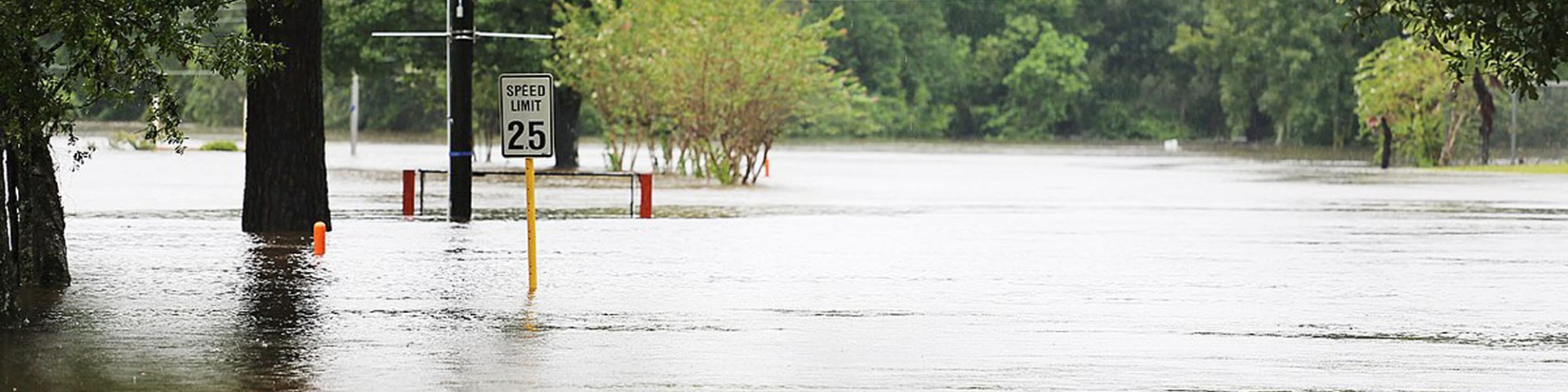
Hurricane Harvey of 2017 is tied for the costliest tropical cyclone on record, inflicting $125 billion in damage in Houston and Southeast Texas.
If you accept the conclusion of 91 top scientists from 40 countries that the lives of millions of people will be disrupted by acute disasters or chronic stresses, then conditions obviously are serious. Yet many U.S. political leaders, and a few world leaders, do not accept the assessment. The U.S. is pulling out of the Paris Climate Accord, and federal officials at the highest level have denied some of the basic science of climate change.
But most Americans don’t agree with this view. Recent polls by Yale University‘s Program on Climate Communications show that the climate change dialogue in America is more complicated than the simple denial of science voiced by the current administration.
The majority of Americans do accept (to some degree) the evidence that climate change is real and largely caused by humans. A substantial fraction considers it highly important and support efforts to address it. Only about a quarter of the population are considered “hard core denialists.”
So why are reports like the recent UN panel assessment so often dismissed by elected officials and forgotten by the public? While most people are not climate change deniers, many might be called “climate change ignorers.” Often the topic is too complex, too inaccessible, too distant or too hopeless for many Americans to try to act on. Because of this, a vocal minority can then dominate the public conversation.
By contrast, a major interaction that most us have with science is when dealing with health. If a doctor told you that you likely have cancer, you would assume it is serious. Regardless of the prognosis, you would likely work as hard as you could to treat the condition and improve your odds. And you would probably ignore anyone who told you the cancer diagnosis is a hoax.
In many ways the current diagnosis for the planet is at least as credible as most medical diagnoses. Like dealing with cancer, the treatment will not be easy, nor will the outcome be guaranteed.
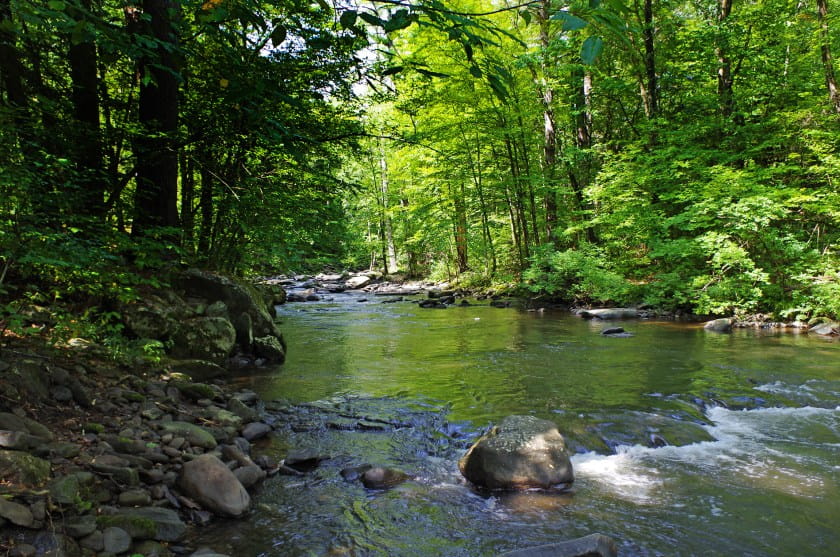
Learn how to make your vote count on Nov. 6. “Voting for the Environment” is a free Academy Town Square at 6:30 p.m. on Oct. 24, where you’ll meet environmental advocates who will explain the issues.
So what can we do about it? This is usually where environmental organizations like the Academy will tell you about individual steps you can take: replace light bulbs, use high efficiency appliances, walk to work. All of these are important and would make sense with or without climate change. But there is no chance that energy efficiency and voluntary reduction of consumption alone will move the needle enough to prevent rising temperatures.
One way to learn more is to come to the free Academy Town Square discussion “Voting for the Environment” on Wednesday, Oct. 24, at 6:30 p.m. You’ll hear from environmental leaders about the issues facing the Philadelphia region and how you can make your vote count. Meet our partners: the Conservation Voters of PA, Clean Air Council, and Tookany/Tacony-Frankford Watershed Partnership, Inc. To register for this free event, go to this page on our website.
If we’re going to have a fighting chance to cope with the creeping climate catastrophe, we need leadership that is willing to understand and apply basic science. With the political will to make climate change a priority, we can face this challenge with hope rather than despair. This year, vote like the world depends on it. Because it does.
By Roland Wall, Director of the Academy’s Patrick Center for Environmental Research
Register today for the free Academy Town Square and meet local environmental leaders who are working on behalf of the environment. Click here to sign up via Eventbrite.


