Simple Ways to Reduce Plastic
Journal

Written on: July 1, 2025
Whether you’re exploring city streets, nearby shorelines or suburban parks, you can take the first step in your plastic-free journey this summer. And you won’t be alone — a recent World Wildlife Fund survey reports that nearly everyone around the world wants to see harmful single-use plastic packaging and products disappear completely.
Let’s join together to reduce our plastic waste and make clean water a priority.
Start small. Reach out to favorite companies or local government agencies and tell them you support plastic-free products. Reduce or eliminate your purchases of fast-fashion, synthetic garments. Then, use some of these tips to ease off other daily-use plastics and help keep our environment healthy and sustainable for everyone.

Be sure to pack your cotton beach towels.
Travel
Consider sunscreen brands that sell their products in metal instead of plastic bottles. Be sure to check out the label and see if they are free of microplastics. Pack only cotton or linen towels, clothes and hats and avoid those made with polyester.
Carry your water in reusable bottles instead of single-use bottles. If you’re traveling to locations where you are unsure of the quality of water, consider bringing a filter or sterilizer. Say no to plastic straws, utensils and bags while you’re out, and yes to reusable mugs and fabric tote bags.
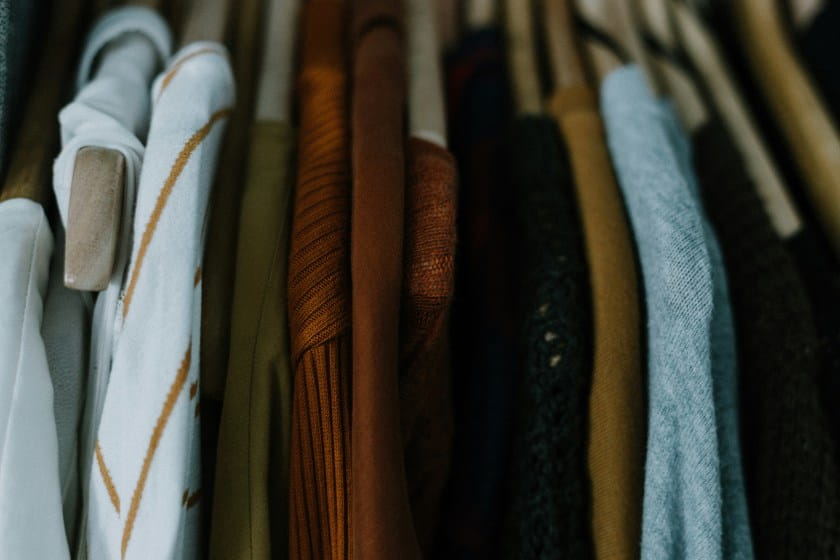
When you’re purchasing new, choose cotton, wool or linen clothing to offset your plastic consumption.
Priscilla du Perez/Unsplash
Clothing
Polyester, acrylic, nylon, spandex — many types of common fabrics used in our garments are actually made of plastics. Tiny synthetic fibers are shed in washing machines from these materials, traveling through our drainage systems and eventually reaching natural waterways, where the fibers make up between 20% and 35% of the microplastics that are choking and clogging our oceans. When you’re purchasing new outfits, choose durable, long-lasting pieces made of cotton, wool or linen clothing to offset your plastic consumption.
Even if you already have a closet full of synthetics, such as yoga pants or fleeces, there are ways you can act to reduce microplastic pollution when doing your laundry. Wash your clothes less, run a full load and use cold water. Install a filter on your washer or consider using a filtering laundry bag or ball to catch microfiber particulates. Hang your clothes to dry whenever possible.

Buying fresh produce and goods at local markets can seriously cut back on plastic consumption.
Priscilla du Perez/Unsplash
Groceries
Local farmers markets are a great place to start being plastic free. Buy your weekly fresh food and baked items, all without plastic bags and wrappings. These markets also help reduce emissions and plastic waste from long-distance transportation. If you only have access to grocery chains or supermarkets, however, opt for fresh fruits and veggies that you can put in your own bag, instead of products that come in single serving cups, containers or wrappers.
Consider purchasing any loose food items — such as granola, tea, nuts, beans, spices, pasta and rice — in bulk. Bring your reusable containers to the store or market and fill them many times over. You can save money on your purchase, too! Use your own clean reusable bags, such as backpacks, tote bags or even paper bags, for every trip to the store. Be sure to leave the bags near the door or in the trunk of your car so you don’t forget.
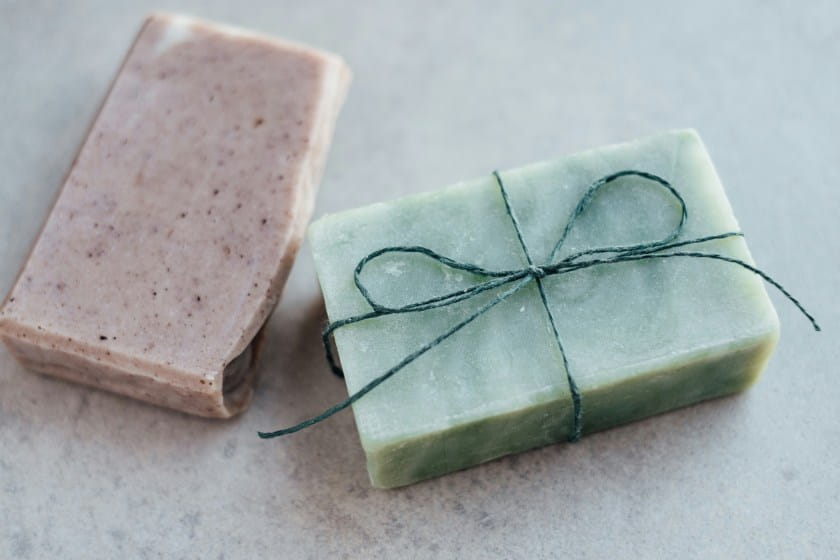
Many bar soaps can be purchased without additional plastic wrappings.
Freestocks/Unsplash
Bathroom and Laundry
Try powdered soap or laundry detergent sheets that come in cardboard boxes instead of plastic bottles. Buy bar soap and shampoo instead of liquids that come in plastic containers.
Baking soda has many uses around the house, including as a deodorant, toothpaste or all-purpose cleaning agent. Consider a safety razor with replaceable blades instead of a disposable razor and a toothbrush made from other materials, like bamboo. Use washcloths instead of paper towels, sponges or plastic loofahs.

Whether you're working in-person or remote, don't forget your refillable mugs.
Engin Akyurt/Unsplash
At Work
Use a refillable bottle or mug for your coffee and tea, even when ordering to-go. And ditch those plastic straws — instead carry a stainless steel or glass straw. If you forget your cup at the cafe, consider sipping your drink without a plastic lid.
For lunch, pack your food in reusable containers or leftover glass jars and bring it all in a lunchbox. If you need to order out, though, tell the cashier to hold the plastic cutlery and any condiments that come in little plastic pouches. Also bring a container for any of your restaurant leftovers. Be sure to keep a set of your own utensils at work in your desk!

Making meals with fresh veggies instead of buying take-out can help reduce plastic waste.
Sophie Skold/Unsplash
Kitchen
Making a meal at home, instead of eating take-out or pre-made foods, can help reduce plastic waste significantly, especially if there are leftovers! If you have the time or culinary interest, many of your tasty favorites such as pesto, juice, tortillas, yogurt, baked goods or salsa can also be made at home instead of purchased in plastic containers.
Choose glass jars for pasta sauce, yogurt or baby food and reuse them for storing leftovers, prepped foodstuffs or other various household items, such as buttons, nails or pencils. Cut back on gum or give it up, since gum is made of synthetic plastic. For the grill, stove or the junk drawer, consider keeping matches or a refillable metal lighter instead of disposable plastic lighters.


