Five Ways You Can Celebrate Earth Day – All Year Long
Journal

Written on: April 22, 2024
Earth Day is a time to reflect on our natural world and our impact on it. But at the Academy of Natural Sciences of Drexel University, we celebrate Earth Day every day through environmental advocacy, a commitment to sustainability and being an educational resource for Drexel University students and the residents of Philadelphia. Here are five ways you can incorporate the spirit of Earth Day all year long.

1. Pledge to be plastic-free
Plastic-free Philly, Philly’s solution to plastic pollution, is a volunteer effort aimed at reducing single-use plastic water bottles and replacing them with environmentally healthier options, such as drinking tap water and using refillable bottles. By eliminating plastic water bottles, you help keep our waterways clean and beautiful, preserving the health of our environment and our communities for future generations. You can learn more about this initiative, the Academy’s efforts to keep Philadelphia water clean and how you can get involved here.
2. Help migratory birds
Each year, tens of million birds pass through Philadelphia during the spring and fall migration. Unfortunately, many are killed when they fly into buildings, confused by artificial lights at night or by reflective or transparent glass surfaces. Artificial lights at night can attract birds migrating at night to buildings and ultimately cause them to collide with other parts of the buildings associated with the lights. You can help our feathered-friends by taking a pledge and turning off unnecessary lights during migration seasons.

3. Get involved in community science
An easy way to get involved with community science and observe the natural world is to join the iNaturalist app. Explore along with the Academy community through our home on iNaturalist, the Academy Naturalists project group! You can also participate in the upcoming City Nature Challenge (CNC) is a four-day bioblitz beginning April 26 where cities around the world compete to see who can record the most wildlife. Cities are ranked by the total number of observations, the number of species and the number of people making observations. Besides being a fun challenge, CNC is also a great way to engage in community science and help document the biodiversity of our urban areas.
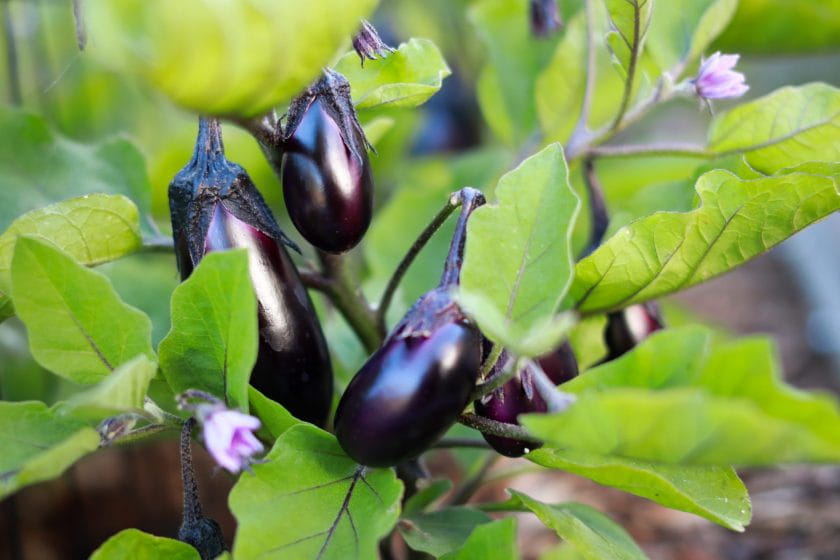
Photo: istockphoto.com
4. Learn to garden sustainably
A little bit of gardening can go a long way in supporting the health of our planet. Whether you live in the city, suburbs or out in the woods, you can help local biodiversity flourish with a few of these simple spring garden tips. Learn how you can make small changes with big environmental impacts this season!

5. Consider sustainable energy sources
Have you considered how you can make changes to your home to be more sustainable? Exploring the option of solar power could be for you. Here is a real-world example of how solar energy has greatly reduced one local couple’s carbon footprint.