Sea Change Exhibit
Journal
Written on: June 1, 2021
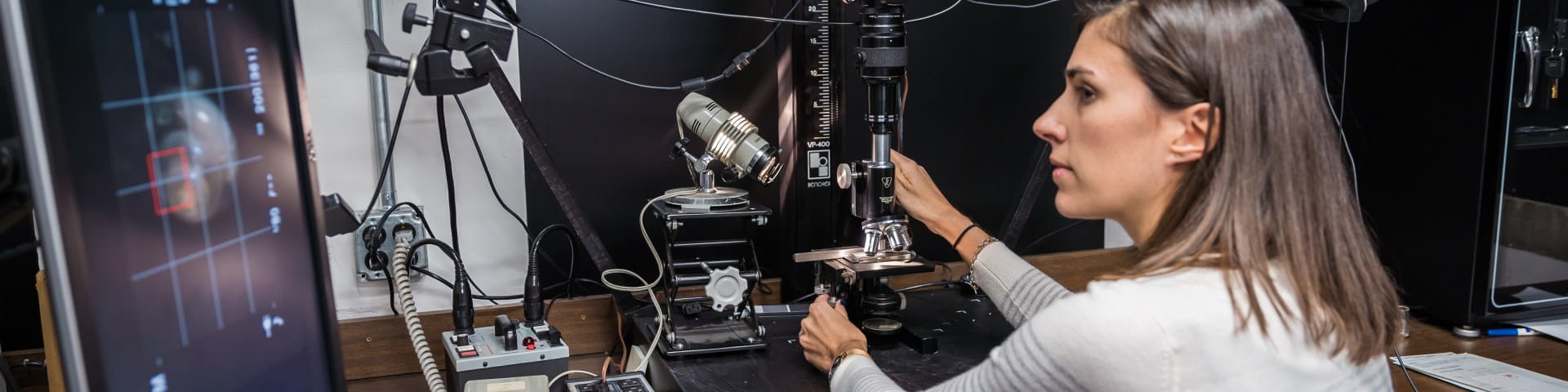
Our new exhibit, Sea Change, will open in Fall 2021. The exhibit explores the work of Dr. Rosie Oakes-Grieve who is exploring how shelled ptreropods reveal ocean acidification.
What are Pteropods?
Pteropods are tiny ocean snails. Affectionately known as the “potato chips of the sea,” pteropods help form the base of a massive ocean food web. Their thin, fragile shells are sensitive to changes in ocean chemistry, so Grieve is monitoring them to track the pace of climate change and its cascading effects on ocean life.
Ocean Acidification and Climate Change
When we burn fossil fuels, we release gases including carbon dioxide (CO2) into the atmosphere. Naturally occurring CO2 plays an important role in the environment, but the massive amount of CO2 we emit industrially and domestically is a major driver of climate change. Oceans absorb CO2 like a sponge. This extra CO2reacts with seawater and changes the chemistry of our oceans.
What You Can Do
To tackle a global problem like climate change, we need to take collective action. Around the world, individuals and organizations like the Academy are working together on climate issues, and our efforts are gaining momentum.
Learn what Philadelphia is doing and what you can do to minimize your carbon footprint:
Energy
- What’s the city doing?
- Working toward 100% renewable electricity for city operations
- Working toward a clean electricity grid
- Citywide LED street lighting
- Philadelphia Home Repair and Weatherization programs
- Addressing barriers to rooftop solar
- What can an individual do?
- Change electricity supply to sustainable sources
- Conserve energy when possible
- Take advantage of city and state programs to solarize, repair, or weatherize your home
- Help a neighbor or family member access these programs
- Stay informed.
- Have conversations.
- Use your voice and your vote.
- Explore the Office of Sustainability’s guide to what individuals can do
Transportation
- What’s the city doing?
- Expanding fleet of electric city vehicles
- Improving bike routes
- Transit enhancements to increase ridership
- What can an individual do?
- Walk or bike when you can
- Take public transit
- Reduce flying
- If you need to drive…
- Carpool when you can
- Skip the A/C when you can
- Use cruise control on long drives
- Stay informed.
- Have conversations.
- Use your voice and your vote.
- Explore the Office of Sustainability’s guide to what individuals can do
Waste
- What’s the city doing?
- Zero Waste Partnership Program
- Incentives for partnering businesses: Sustainable Business Tax Credit
- Committed to diverting 90% of waste from disposal by 2035
- Working to provide citywide composting, reducing food waste (20% of waste volume)
- SmartCityPHL pilot project Retrievr: on-demand clothing and electronics recycling; divert clothing and electronics from landfill (10% of waste volume)
- Better enforcement of construction waste regulations
- Working to ban plastic bags
- Zero Waste Partnership Program
- What can an individual do?
- Go vegan or vegetarian an extra day each week
- Reduce dairy and switch your protein source (one serving of beef uses 12x more carbon to produce than a serving of beans)
- Reduce single-use plastic
- Drink water from the tap and use refillable bottles
- Use reusable zipper bags and shopping bags
- Skip plastic silverware and straws if you don’t need them
- Reduce your clothing purchases (Fashion industry creates 10% of all global carbon emissions, “more than all international flights and maritime shipping combined”)
- Don’t buy clothing you’ll only wear once or twice. Wear clothes until they wear out.
- Buy second-hand / vintage
- Seek out more sustainable companies
- Stay informed.
- Have conversations.
- Use your voice and your vote.
- Explore the Office of Sustainability’s guide to what individuals can do
- Go vegan or vegetarian an extra day each week
Get Involved
- What’s the city doing?
- Committing to carbon neutrality by 2050
- Establishing an Environmental Justice Advisory Commission
- Working toward city-wide composting
- Supporting green workforce development: PEA (Philadelphia Energy Authority), GreenFutures, PowerCorpsPHL
- Supporting urban tree coverage through urban forest management, TreePhilly, and Green City, Clean Waters
- What can an individual do?
- Get involved with city programs and independent organizations
- Citizen-led initiatives: Greenworks on the Ground, Citizens Planning Institute
- Reporting city maintenance issues to Philly311 by phone, at the walk-in center, or on the app
- Cleanup events to tackle
- Philly Spring Cleanup
- Philadelphia Streets Department’s Philadelphia More Beautiful Committee
- SERVE Philadelphia (City’s civic leadership and volunteer program)
- Stay informed.
- Have conversations.
- Use your voice and your vote.
- Explore the Office of Sustainability’s community actions
More Resources to Reduce Your Carbon footprint:
- Carbon Footprint Calculator via Nature.org
- How to reduce your carbon footprint via The New York Times
- Four Ways to be Carbon Neutral via the Academy Blog